

Quick answer
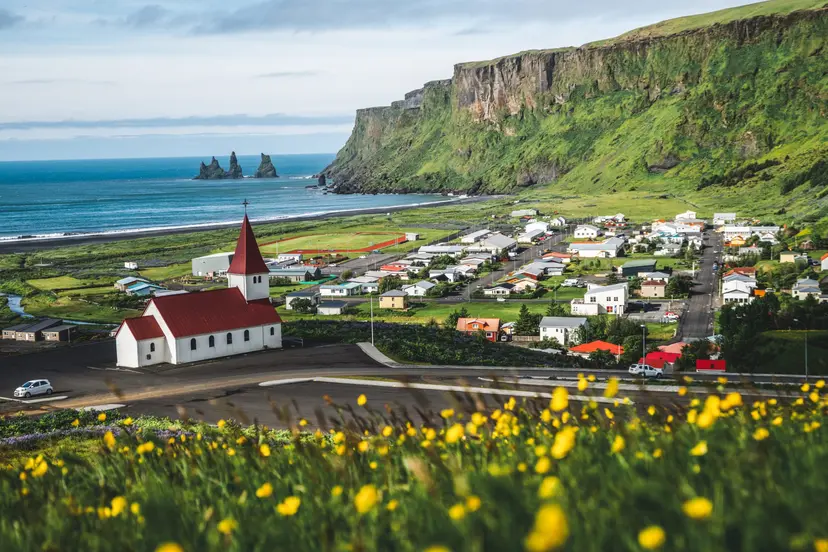
Vík serves as the most practical base for first-time visitors, sitting 180 kilometers from Reykjavík with Skógafoss, Seljalandsfoss, Reynisfjara black sand beach, and Dyrhólaey all within 30 kilometers. Kirkjubæjarklaustur puts you closer to Vatnajökull National Park and Jökulsárlón, while Hvolsvöllur offers the shortest drive from the capital. Free entry to the general South Coast region means lodging choice matters more than admission logistics—early morning light on the waterfalls and glacier lagoon justifies staying east rather than day-tripping from Reykjavík.
Iceland's South Coast receives more than one million visitors annually, yet its accommodation infrastructure remains concentrated in five small villages separated by long stretches of farmland and lava fields. The entire coastal corridor from Selfoss to Höfn holds fewer than 3,000 permanent residents, meaning summer lodging books out three to four months ahead and winter availability can vanish during Northern Lights season. Where to stay on the south coast of Iceland becomes a question of trade-offs: proximity to Skógafoss versus access to Jökulsárlón, driving distance from Reykjavík versus fuel stops and grocery options. Vík anchors the western stretch with 300 residents, six guesthouses, two hotels, and Iceland's southernmost point at Dyrhólaey. The village sits 45 minutes from Skógafoss and Seljalandsfoss, thirty minutes from Reynisfjara beach, and two hours from Jökulsárlón—a midpoint that balances waterfall access with glacier excursions. Kirkjubæjarklaustur, 80 kilometers east, serves visitors prioritizing Vatnajökull ice caves, Fjaðrárgljúfur canyon, and Svínafellsjökull glacier hikes. Hvolsvöllur, the westernmost option, reduces the drive from Reykjavík to 90 minutes but adds an hour to reach Vík's black sand coastline. Höfn, at the eastern terminus, functions as the staging point for Vatnajökull glacier tours but places you 460 kilometers from the capital. Ring Road 1 connects all villages with year-round maintenance, though winter storms close passes between November and March with little warning. Services thin out east of Vík—Kirkjubæjarklaustur operates one grocery store and two fuel stations, while stretches between villages run 60 kilometers without cell coverage. South coast lodging runs 15,000 to 35,000 ISK per night for doubles in summer, dropping 30 percent between October and April when daylight shrinks to five hours and road conditions require studded tires. The region remains accessible 24 hours daily with no entrance fees, making accommodation choice the primary budget variable after fuel and meals.
“The South Coast holds fewer than 3,000 permanent residents across 300 kilometers, meaning summer lodging books out three to four months ahead.”
Transport and Arrival: Where to Stay on the South Coast of Iceland
The South Coast of Iceland is accessed primarily via Route 1, the Ring Road, which stretches from Reykjavik through the coastal towns. Driving is the most flexible method for reaching various accommodation bases, while public bus services provide limited connectivity to major settlements.
Route 1 (Ring Road) from Reykjavik
Strætó Route 51 from Mjódd terminal
Seasonal Considerations for Where to Stay on the South Coast of Iceland
The period between May and September offers the most stable road conditions for accessing accommodation across the South Coast. Travelers seeking to avoid peak congestion should prioritize the 08:00–10:00 arrival window.
Summer (June–August)
High volume of travelersMild, 10°C to 15°C; long daylight
Roads are generally clear and accessible for all vehicle types. Base yourself in central hubs to navigate coastal sites easily.
Winter (November–March)
Low volume of travelersCold, -5°C to 5°C; limited daylight
Frequent snow and ice require caution. Staying closer to Route 1 is recommended to avoid impassable secondary roads.
Shoulder Season (April, October)
Moderate volumeVariable, 2°C to 8°C; shifting conditions
This period balances accessibility with lower prices. Expect rapid weather changes that can affect daily travel plans.
Weekday Mornings
Minimal daily congestion—
Aim to arrive at major attractions between 08:00–10:00 to bypass the primary surge of tour buses from Reykjavik.
Verdict: For the best balance of road safety and crowd management, choose travel during May or September, arriving at sites between 08:00–10:00.
Nearby Attractions: Where to Stay on the South Coast of Iceland
Selecting a base on the South Coast allows for efficient access to diverse geological features. Planning your stay near these clusters minimizes travel time and provides flexible arrival options for popular sites.
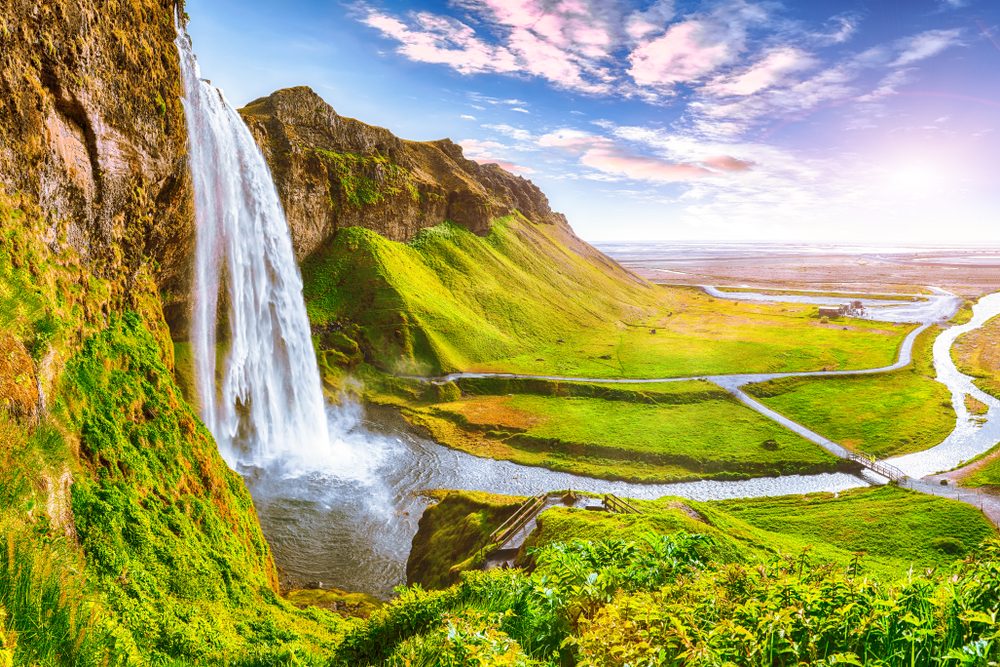
Seljalandsfoss
This waterfall is located near Hvolsvöllur, making it a logical stop for those basing themselves in the western part of the South Coast.
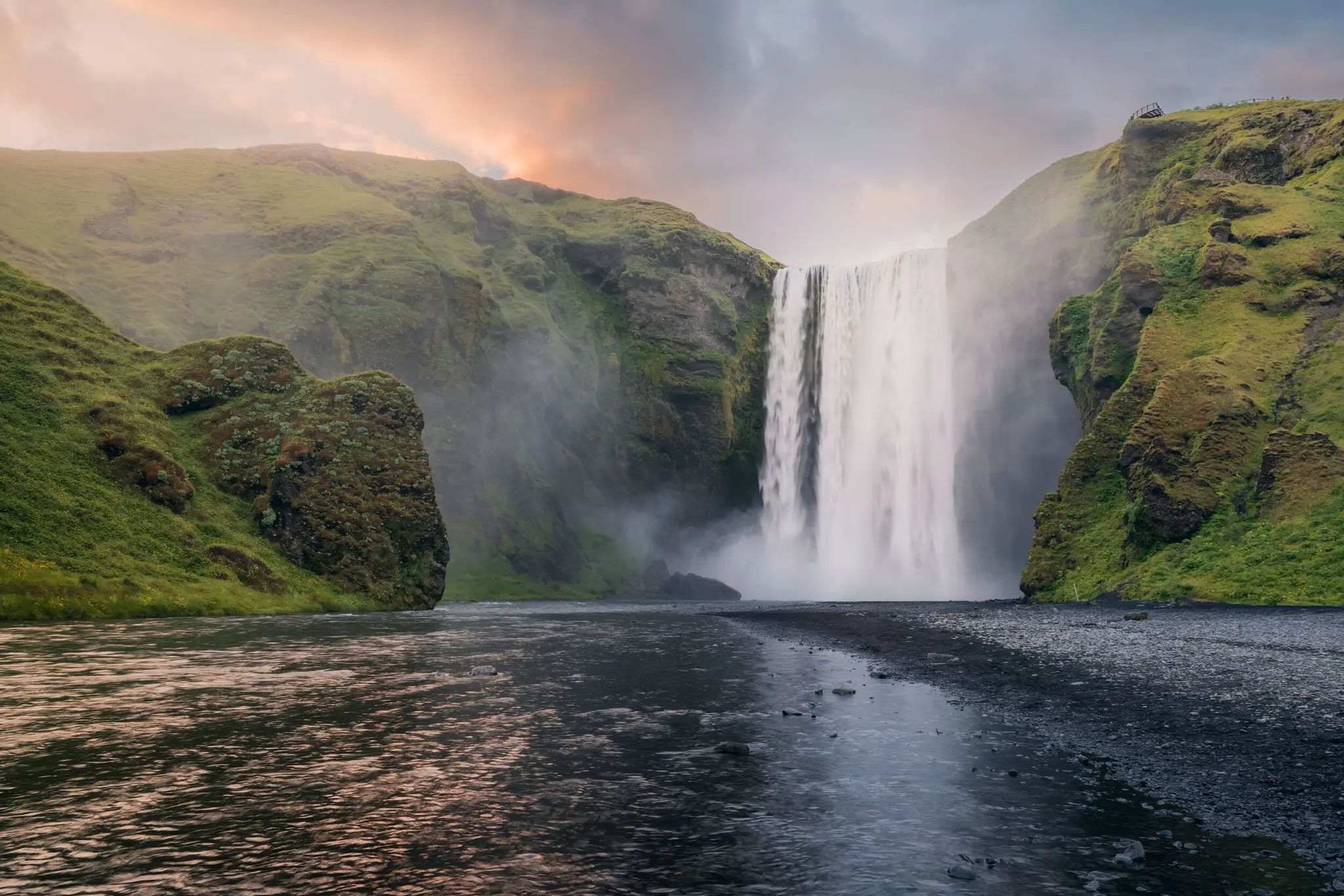
Skógafoss
Located closer to Skógar, this site is best visited during the recommended 08:00–10:00 window to avoid heavy traffic.
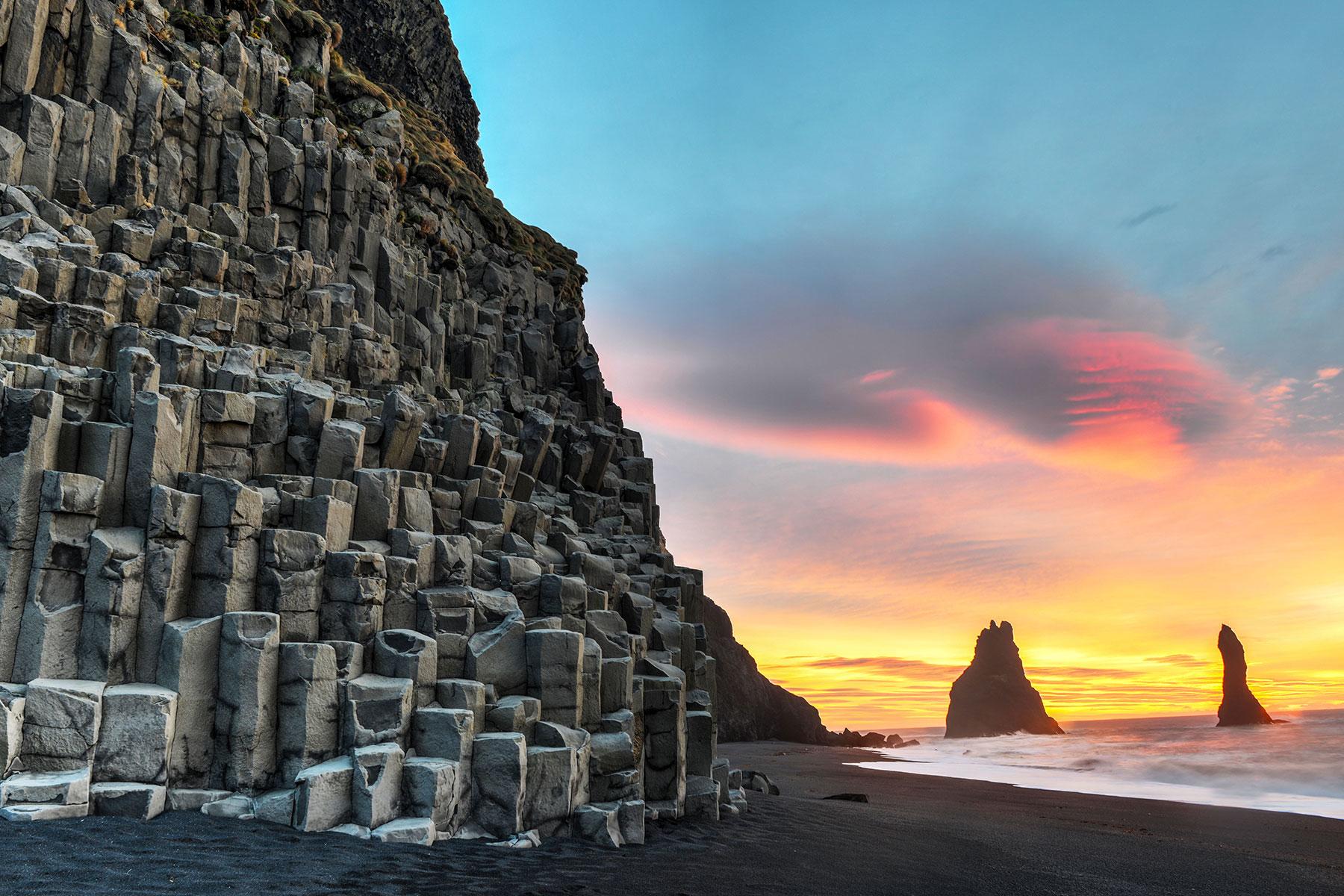
Reynisfjara Beach
Staying near Vík provides direct proximity to these basalt columns and black sand shores.
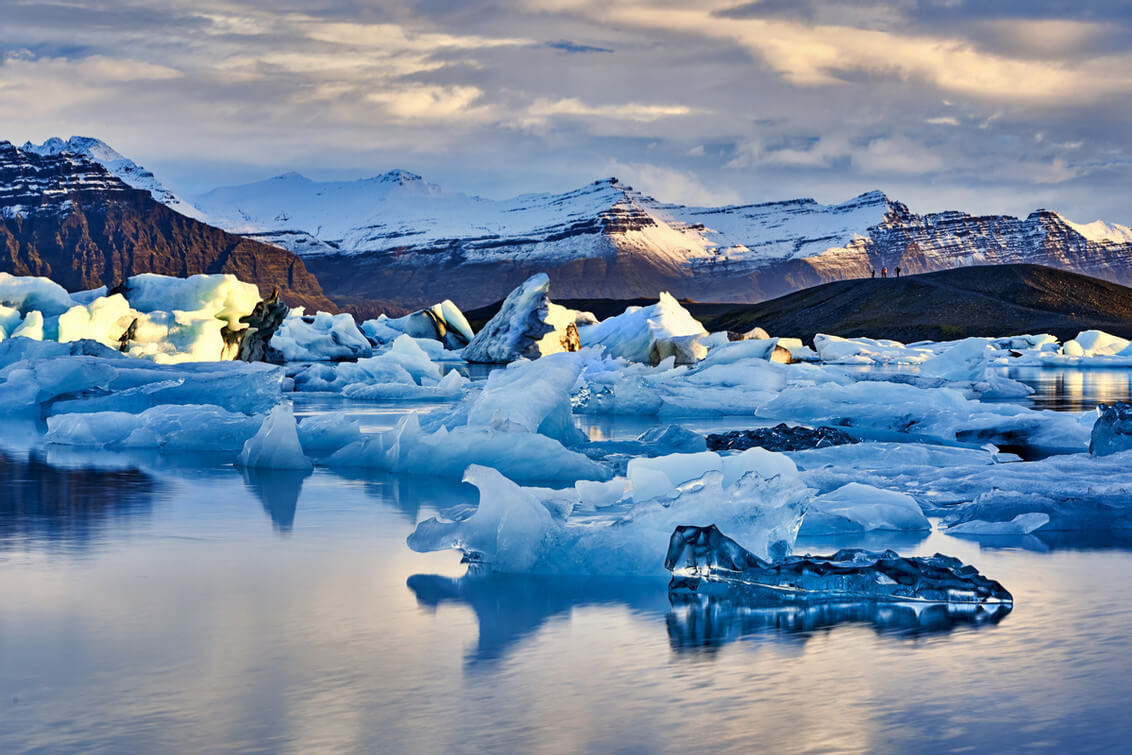
Jökulsárlón Glacier Lagoon
For travelers exploring the eastern reaches, this lagoon serves as a primary hub for those positioned near Höfn.
Common Mistakes: Where to Stay on the South Coast of Iceland
Poor accommodation planning turns the South Coast into a rushed dash between distant hotels. Two mistakes drive most disappointment: underestimating daily driving distances and ignoring real-time weather advisories.
Booking one base for the entire coast
Split your stay—Vík or Kirkjubæjarklaustur for the far eastern attractions, avoiding 4+ hour round trips from Selfoss
Planning back-to-back days without weather buffers
Check road.is and safetravel.is daily; winter storms can close Route 1 for 12–24 hours with no alternative
Choosing accommodation by price alone, ignoring proximity to sights
Map your must-see stops first, then book lodging within 30–45 minutes of your cluster to maximize daylight
Assuming summer means safe roads year-round
Icelandic summer (June–August) still brings sudden fog, high winds, and rain; winter (November–March) requires studded tires and flexible itineraries
Ignoring the 08:00–10:00 arrival window for major stops
Tour buses flood Seljalandsfoss and Skógafoss by 11:00; early starts from nearby towns give you an hour of relative quiet
Check availability
Frequently asked questions about where to stay on the south coast of iceland
Everything you need to know about where to stay on the south coast of iceland