12 hr
Katla Ice Cave & South Coast Adventure
- Expert local guide
- Small group
- Skip-the-line access
- Free cancellation
Glacier caves beneath Mýrdalsjökull, waterfalls carving basalt cliffs
Compare fares, pick the fit — all bookings are mobile-voucher and eligible for free cancellation where shown.
12 hr
10 hr
10 hr
Selecting the right south coast and ice cave tour from reykjavik involves choosing between a compact single-day expedition or a more immersive multi-day experience. These guided excursions provide essential glacier safety equipment and expert navigation to ensure a secure exploration of the region's dynamic ice formations.
| Day Tour Multi-Day Expedition |
Top pick 1-Day Experience 2-Day Experience |
|
|---|---|---|
| Duration | 11-12 hours | 2 days |
| Glacier Access | Guided Katla ice cave | Guided ice cave + lagoon |
| Transport | Super Jeep included | Coach or Super Jeep |
| Safety Gear | Crampons and helmets included | Crampons and helmets included |
| Best for | First-timers and time-constrained | In-depth glacier and site exploration |
| See tickets & prices |
Verdict: Choose the 1-day south coast and ice cave tour from reykjavik for a focused adventure, or book the multi-day tour for a more relaxed pace across southern landmarks.
Worth it for safety and expertise
A south coast and ice cave tour from reykjavik removes the guesswork from glacier access—ice caves require certified guides and specialized equipment you cannot rent independently. Tours bundle transport, glacier gear, and expert navigation across black-sand beaches, waterfalls like Skógafoss and Seljalandsfoss, and the Katla ice cave itself. Prices typically range from 25,000–35,000 ISK per person for full-day itineraries. The value proposition hinges on safety: crevasse hazards and shifting ice make self-guided glacier exploration illegal and dangerous. For travelers without 4x4 rental experience or crampons training, guided south coast and ice cave tour from reykjavik tours deliver access that solo driving cannot replicate. Independent drivers save on per-person fees but forfeit glacier entry entirely—ice cave permits are sold only through licensed operators. The trade-off favors tours for first-time visitors prioritizing glacier access over itinerary control.
Bottom line: Guided south coast and ice cave tour from reykjavik tickets are the only legal route onto glacier ice, making tours essential rather than optional for cave access.
The Golden Circle provides a convenient introduction to geological wonders, while a south coast and ice cave tour from reykjavik delivers a more immersive experience for those seeking active glacier exploration. Many visitors find that balancing the iconic geysers of the circle with these expansive coastal landscapes offers the most comprehensive Iceland itinerary.
|
Top pick South Coast & Ice Cave |
Golden Circle Tour | |
|---|---|---|
| Primary Focus | Glaciers and coastline | Geothermal and tectonic features |
| Terrain Type | Glacier ice and black sand | Volcanic and rift valleys |
| Travel Time | 10–12 hours | 7–9 hours |
| Ice Cave Access | Included in south coast and ice cave tour from reykjavik tours | Not applicable |
| Difficulty Level | Moderate to strenuous | Easy to moderate |
| See tickets & prices |
Verdict: Choose the south coast and ice cave tour from reykjavik tickets for deep glacier access, or select the Golden Circle for efficient sightseeing of historical volcanic landmarks.
Hand-picked experiences loved by thousands of travelers
10 hours
Free Cancellation
Discover Iceland's dramatic southern coastline with cascading falls, vast glaciers, and volcanic beaches
12 hours
Free Cancellation
Discover Iceland's dramatic coastline with glacier trekking, cascading falls, and volcanic beaches
14 hours 30 minutes
Free Cancellation
Journey along Iceland's dramatic southern coastline to witness floating icebergs and cascading waterfalls
2 days
Free Cancellation
Explore Iceland's dramatic southern coastline, black sand beaches, and a magical natural ice cave
3 days
Free Cancellation
Discover Iceland's top natural wonders on a three-day journey through volcanic landscapes and glacial formations
13 hours
Free Cancellation
Explore Iceland's iconic waterfalls, black sand beaches, and glaciers before unwinding at Sky Lagoon spa
12 hours
Free Cancellation
Discover Iceland's waterfalls, black sand shores, and a glacier cave on this exclusive full-day journey
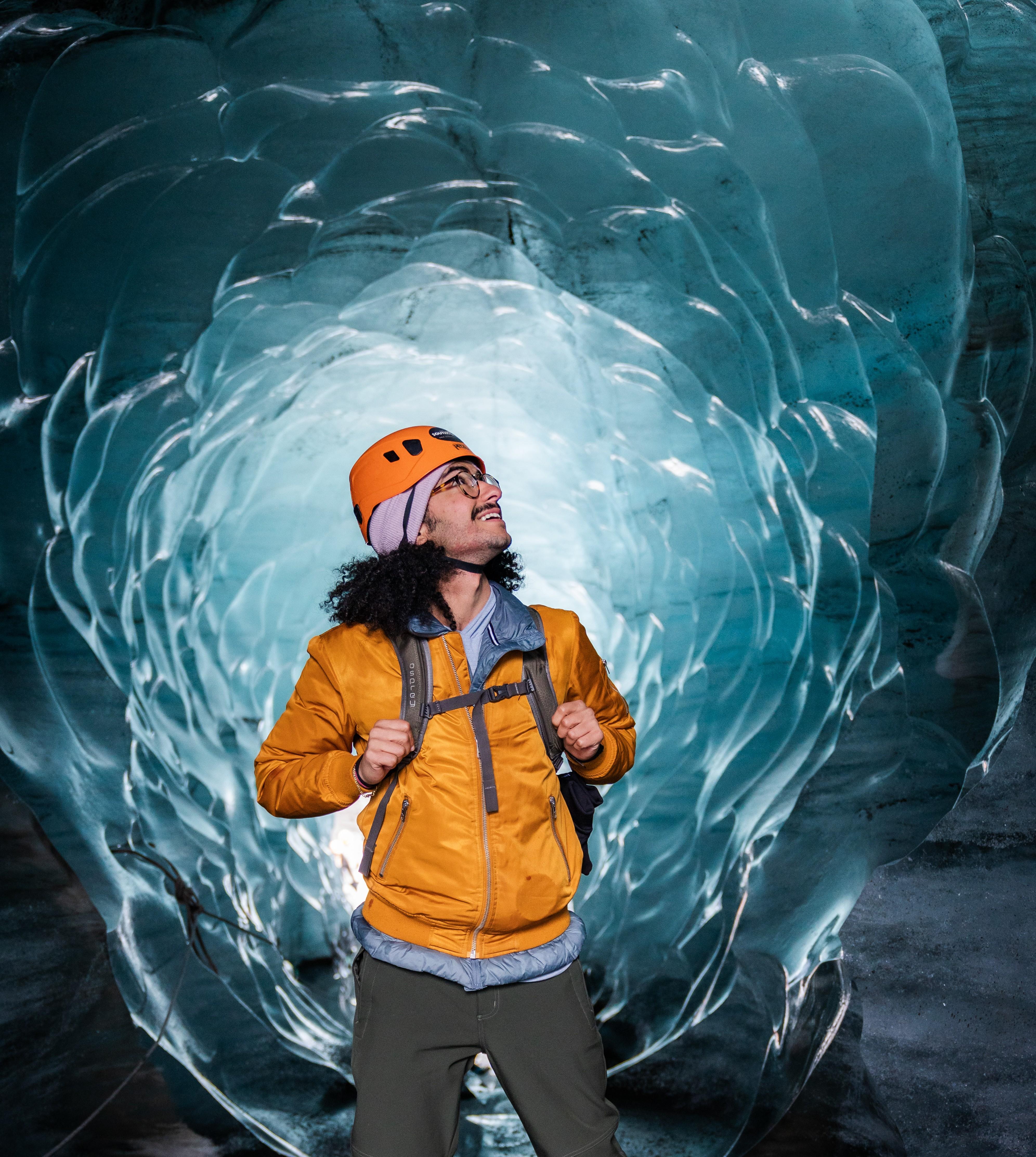
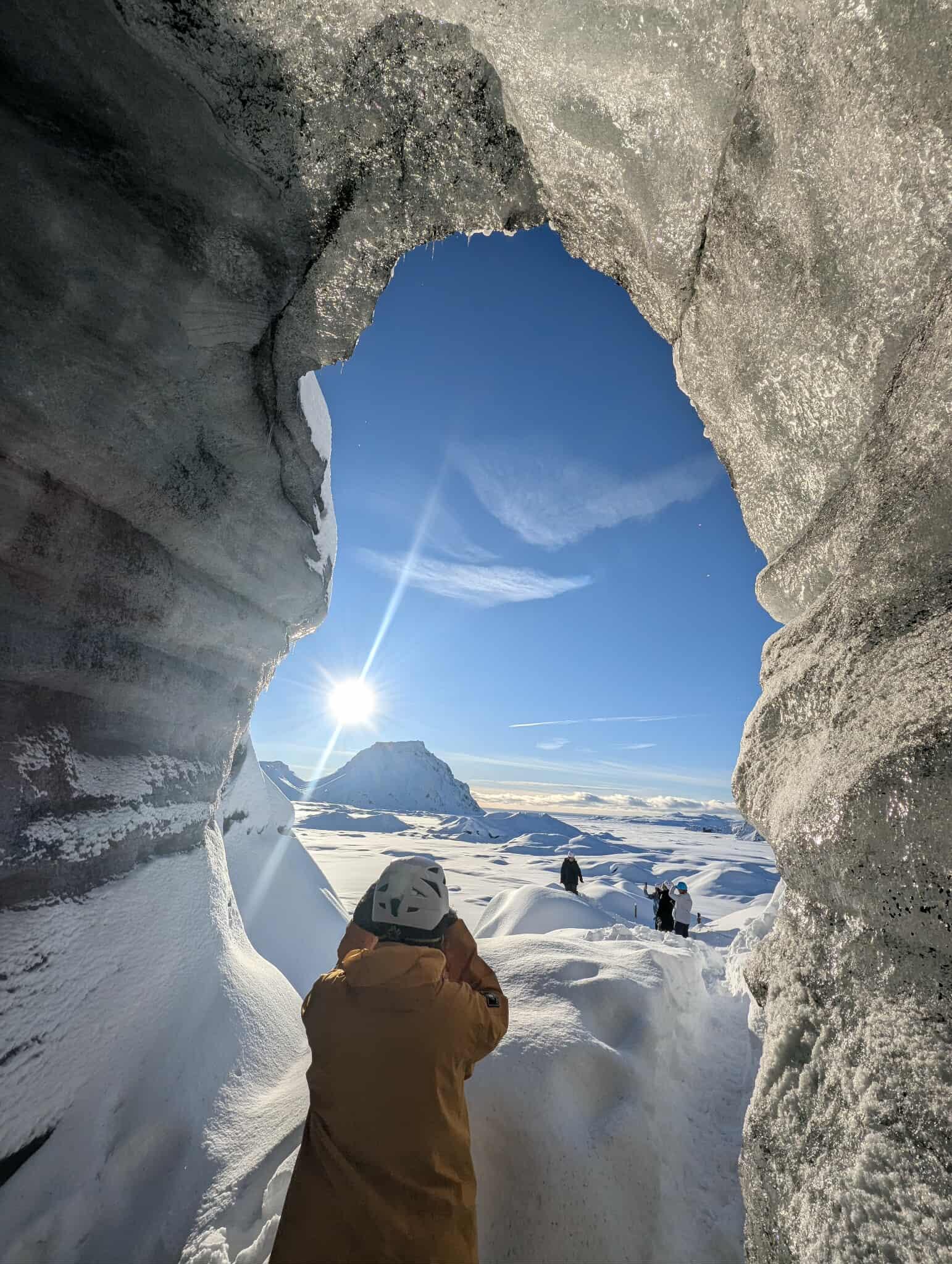
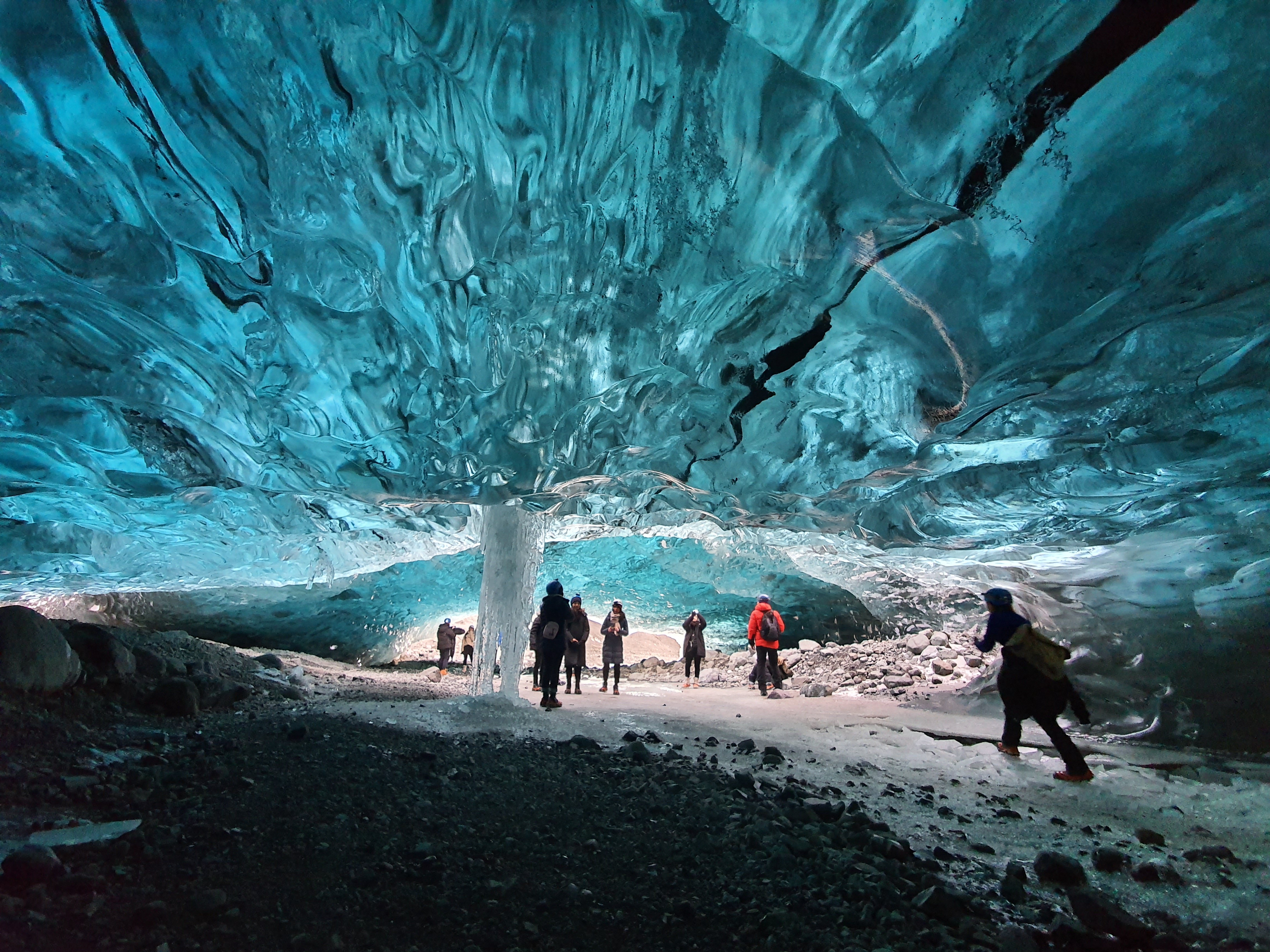
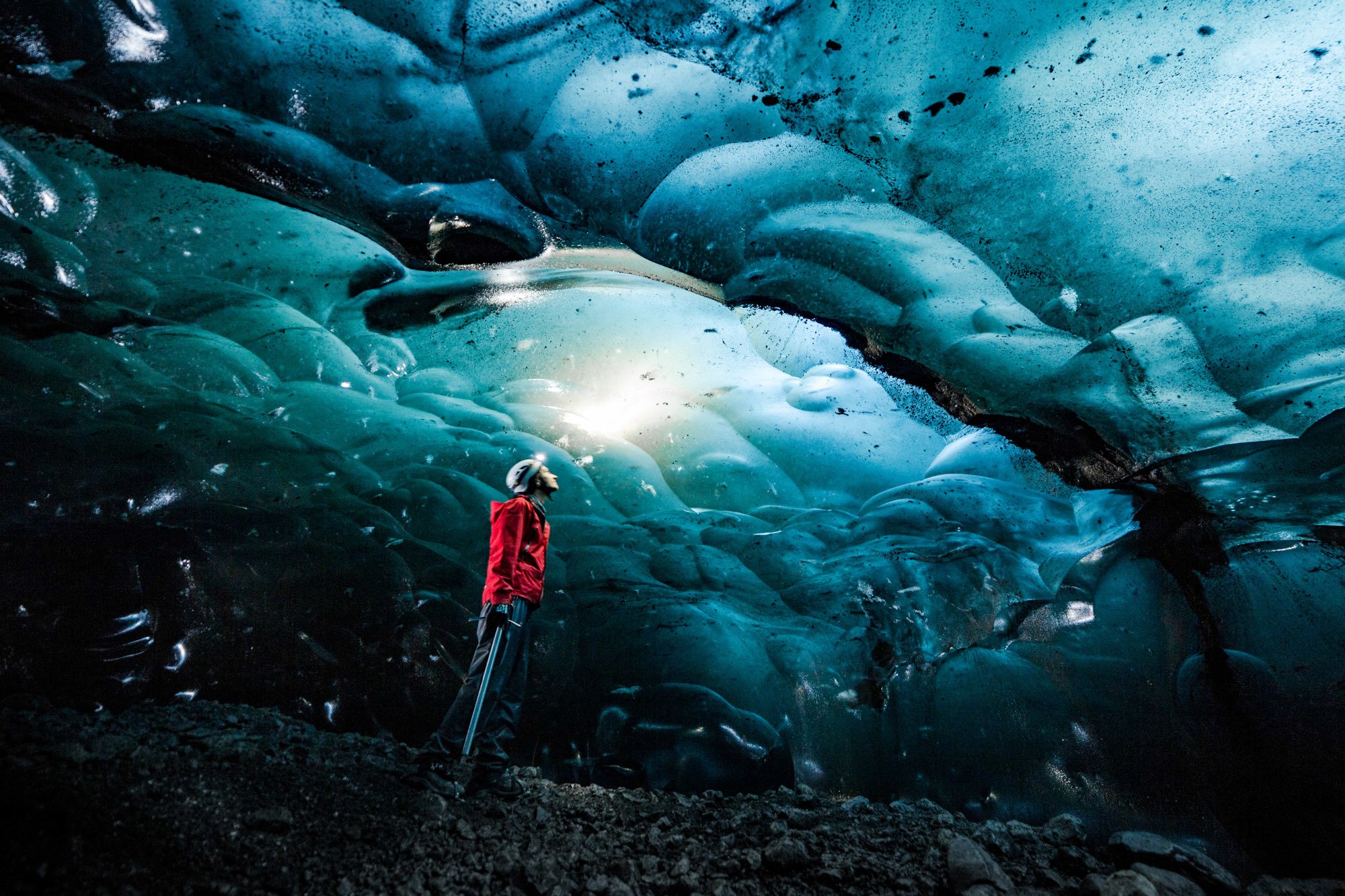
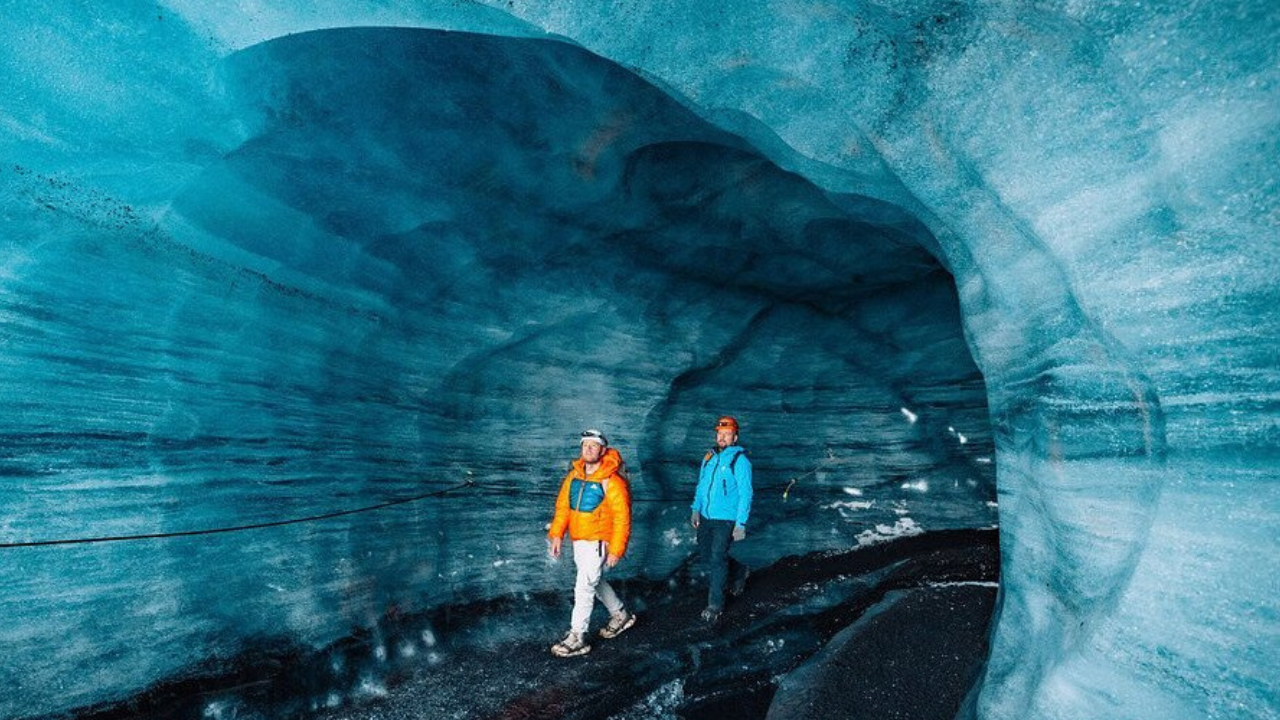
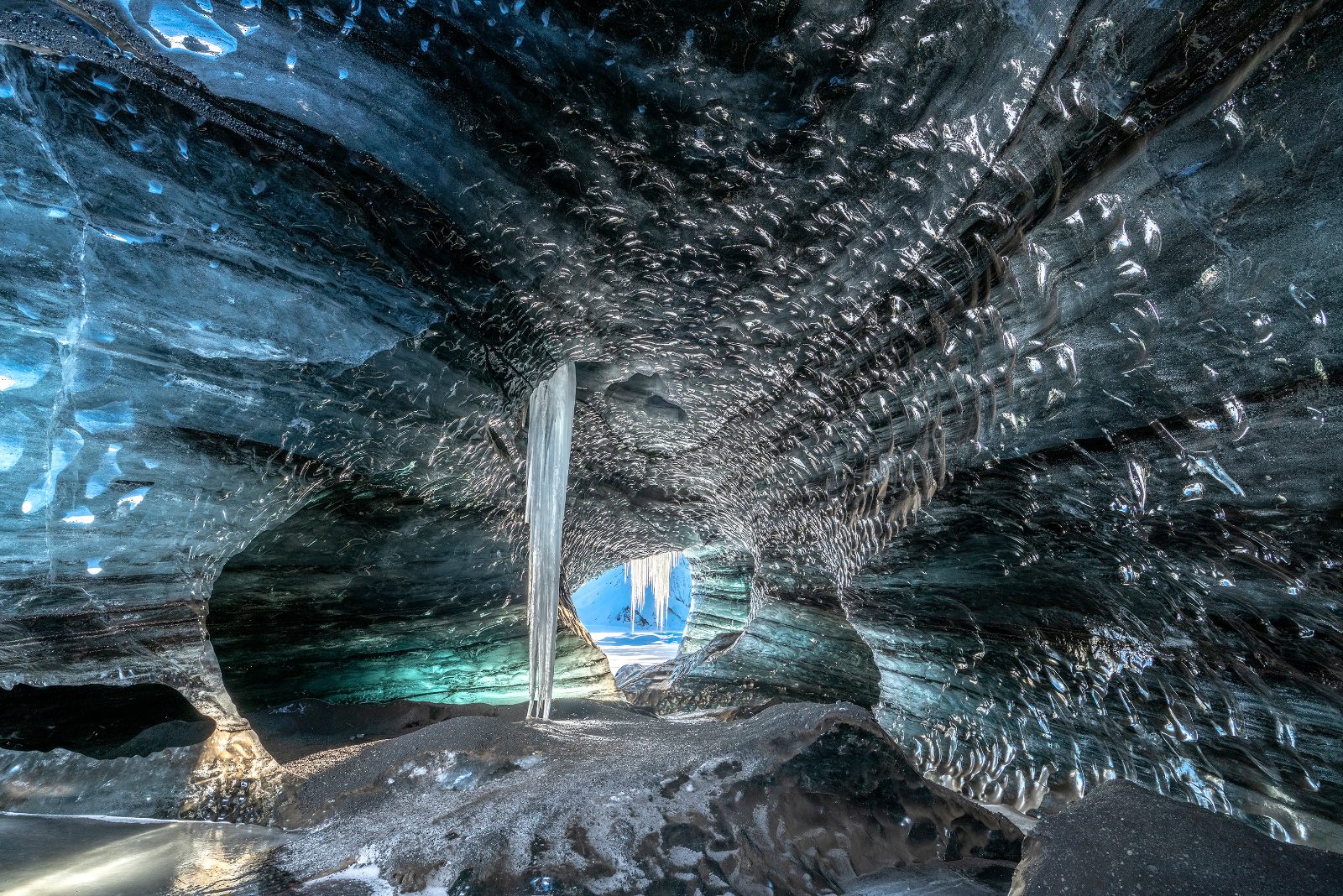
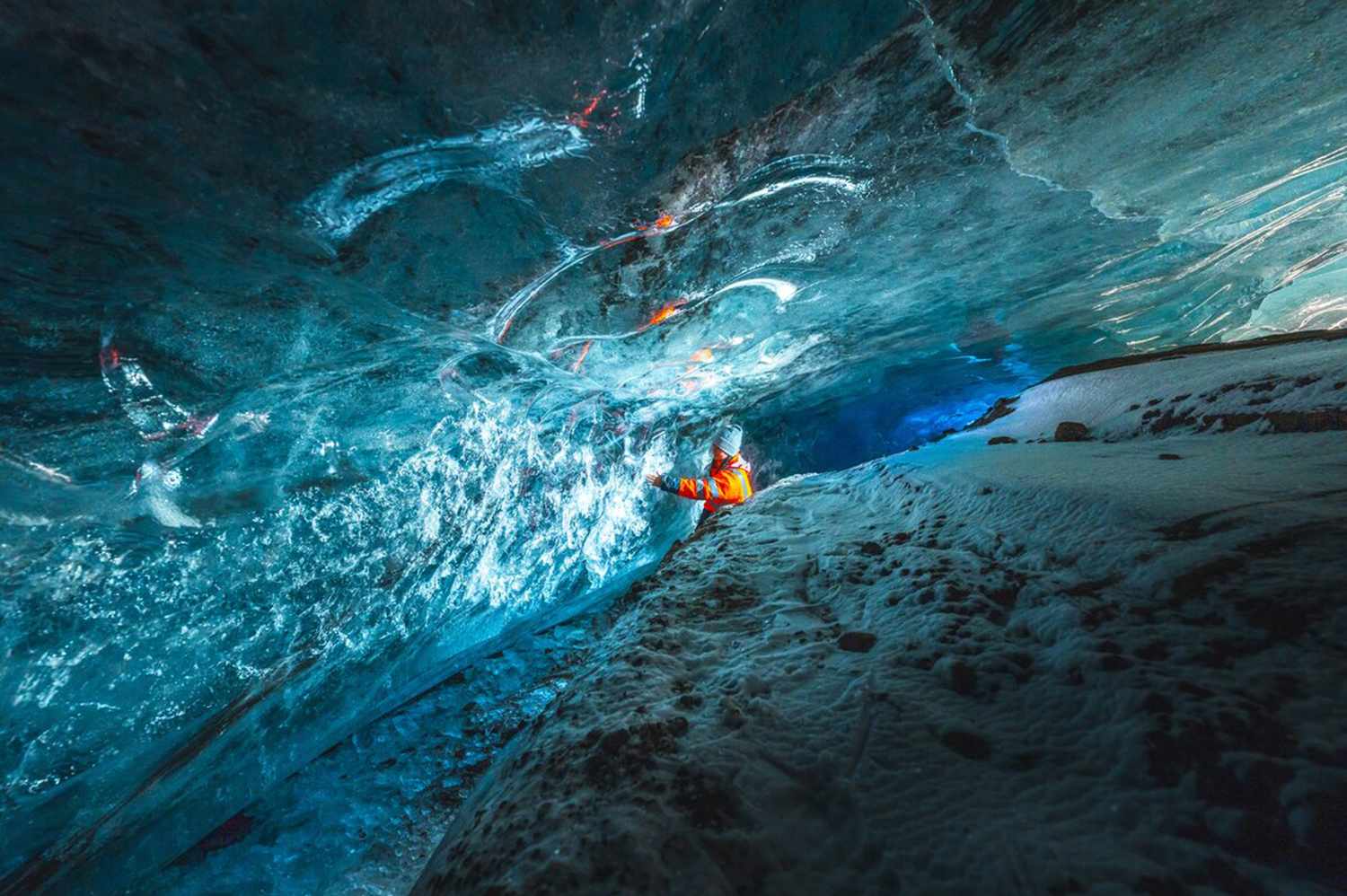
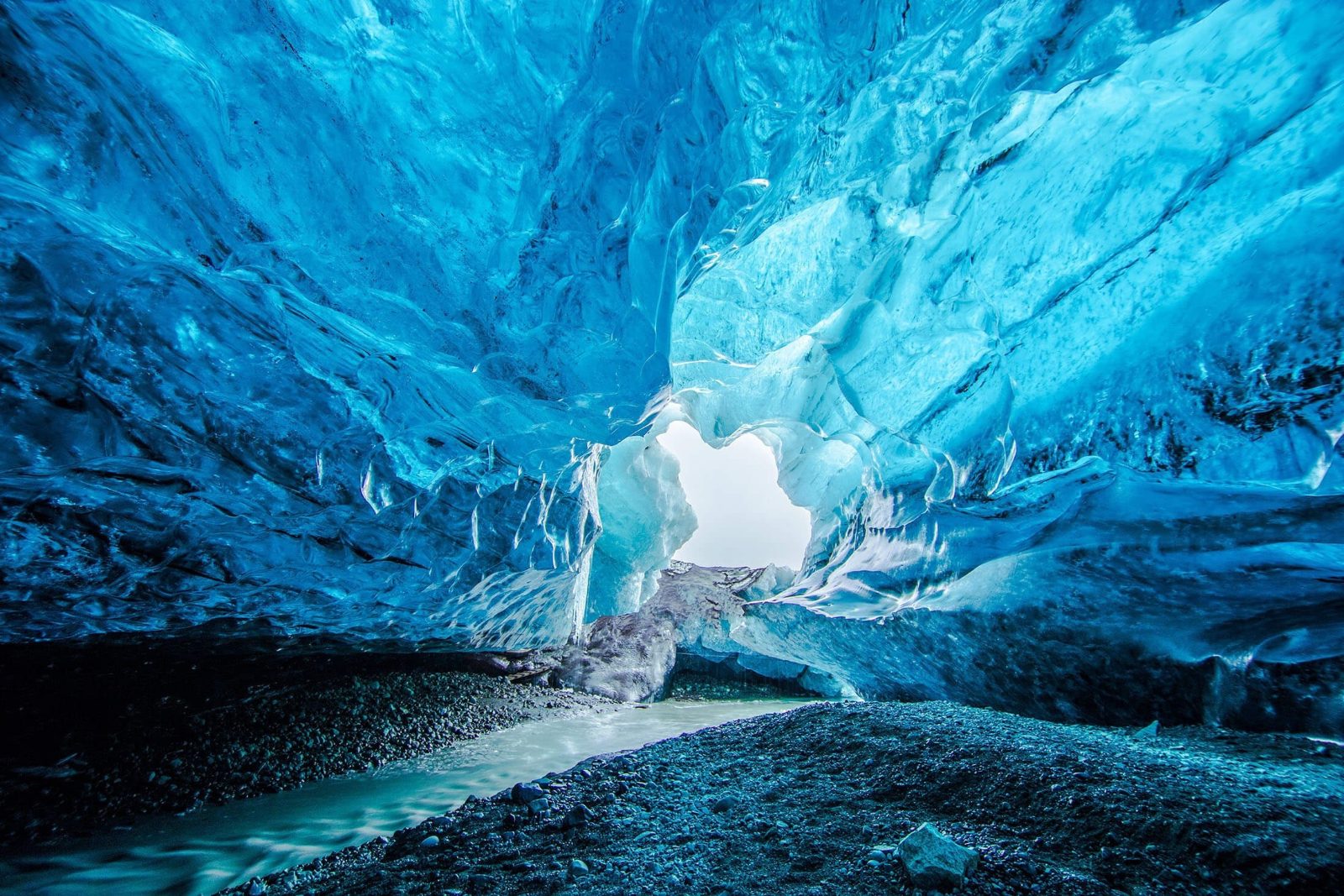
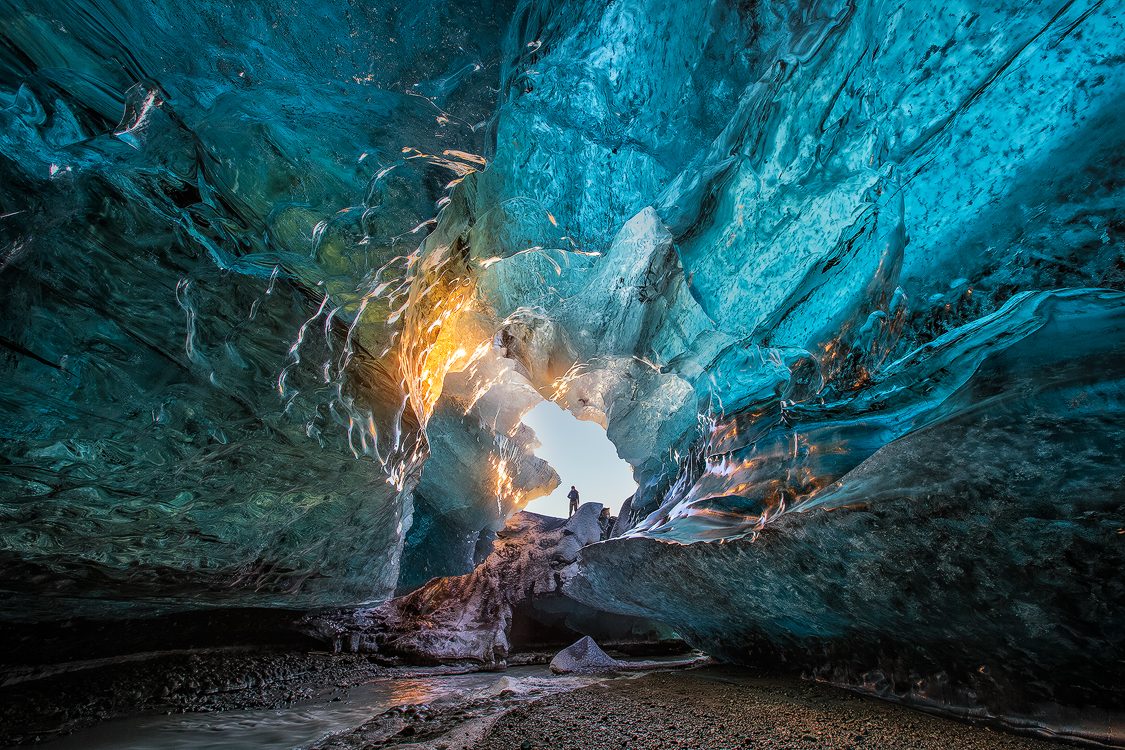
Located at the base of Mýrdalsjökull, this natural cave features striking black and blue ice formations created by volcanic ash.
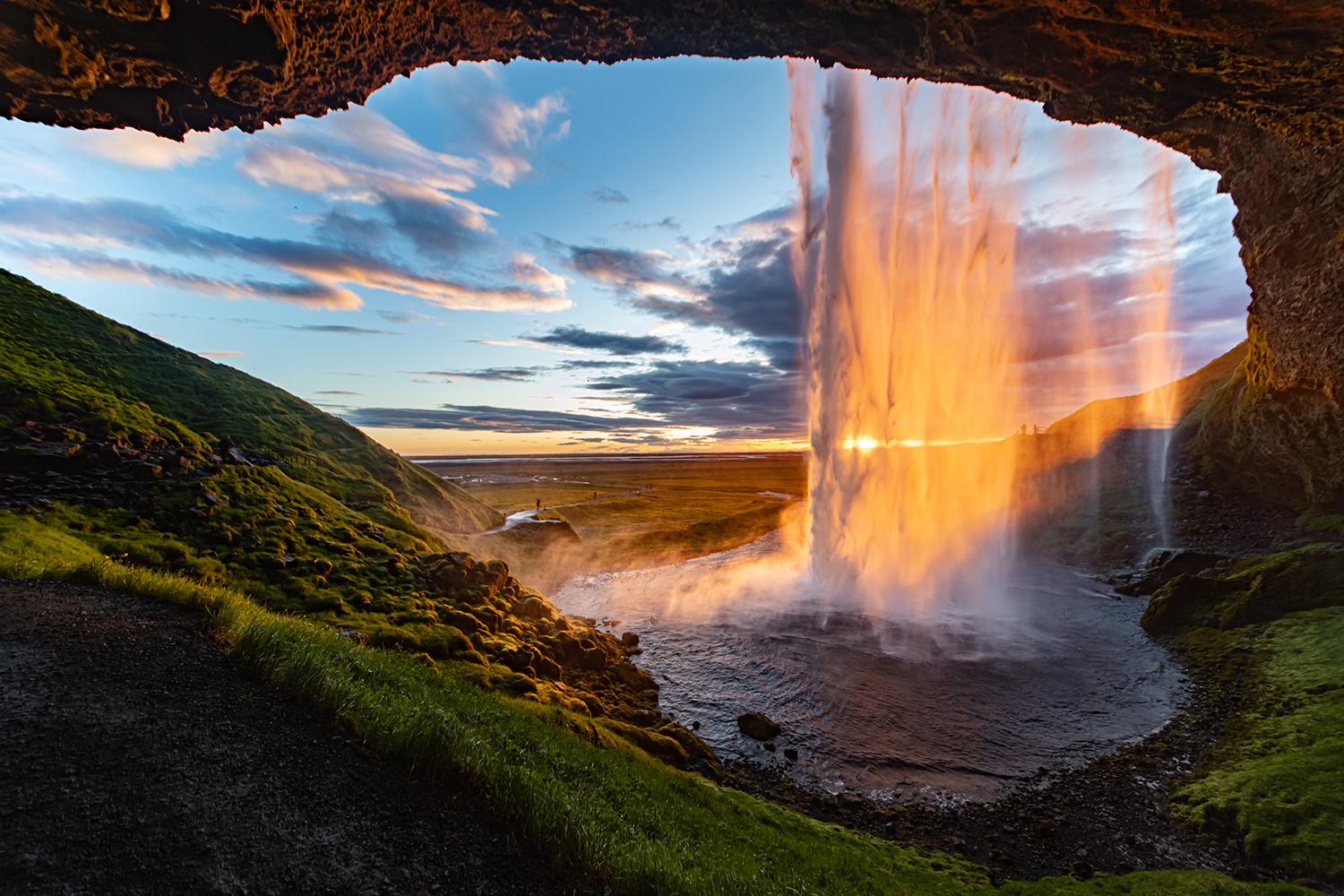
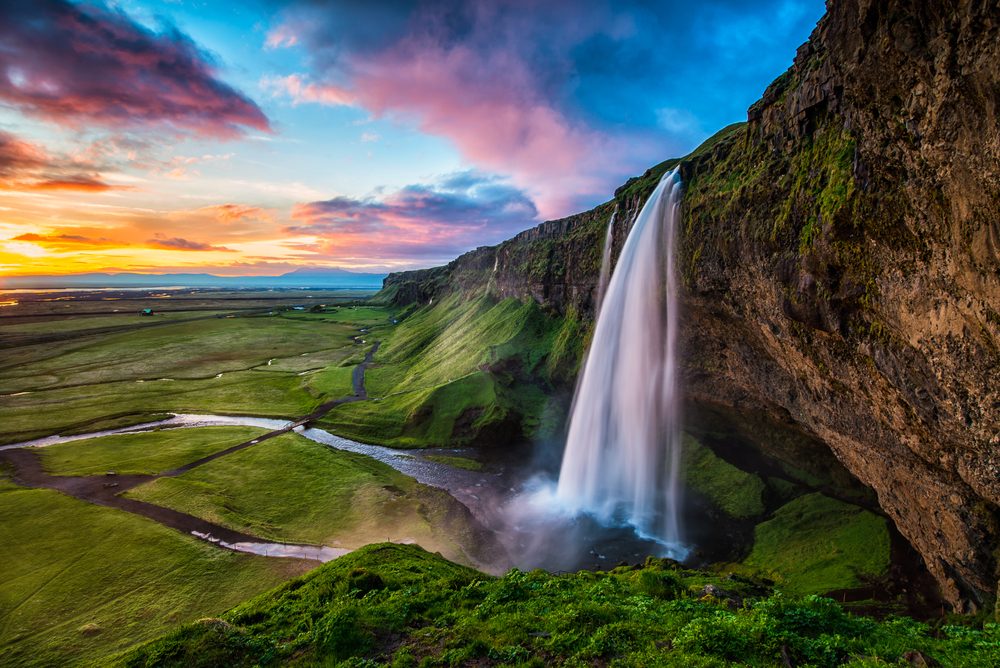
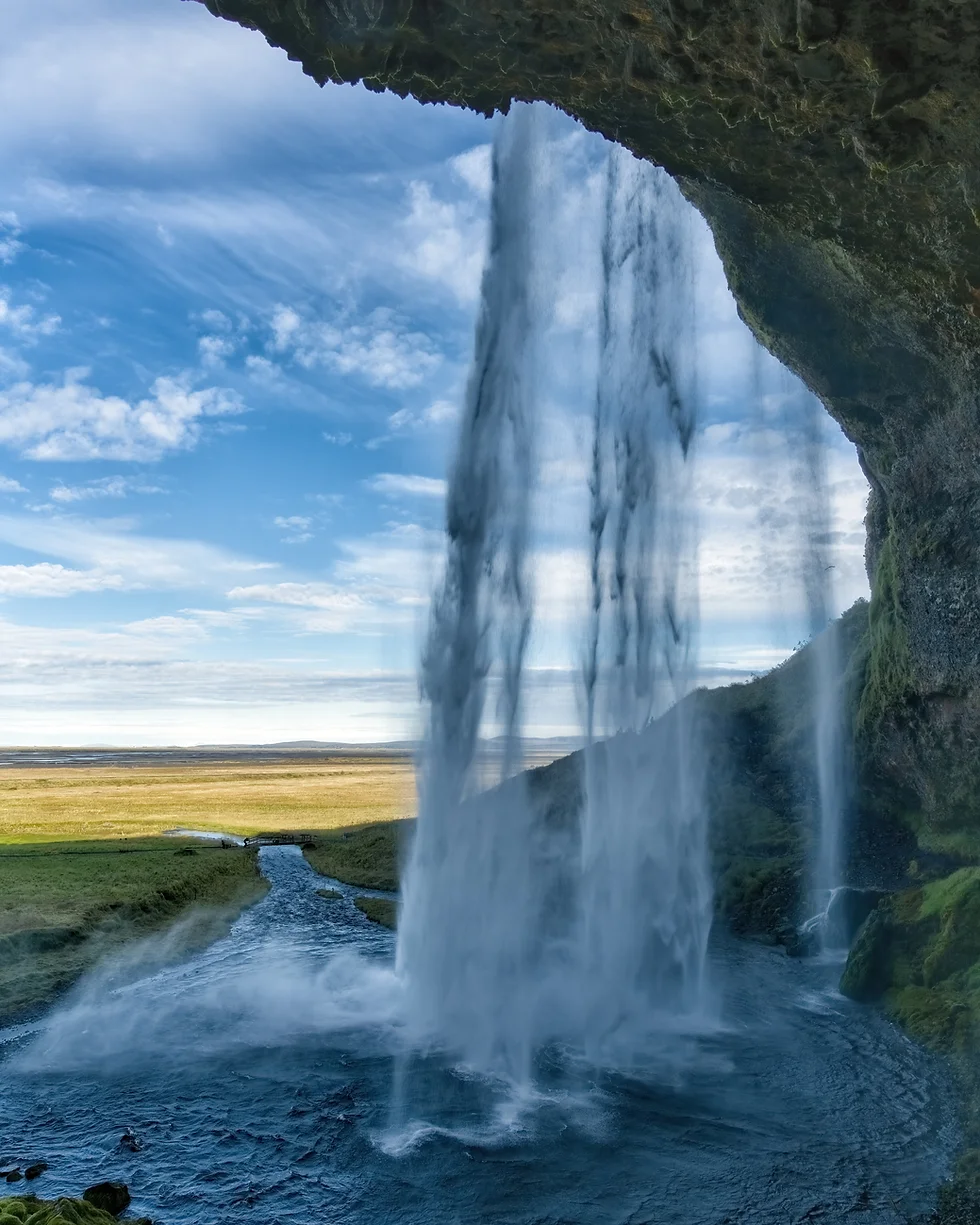
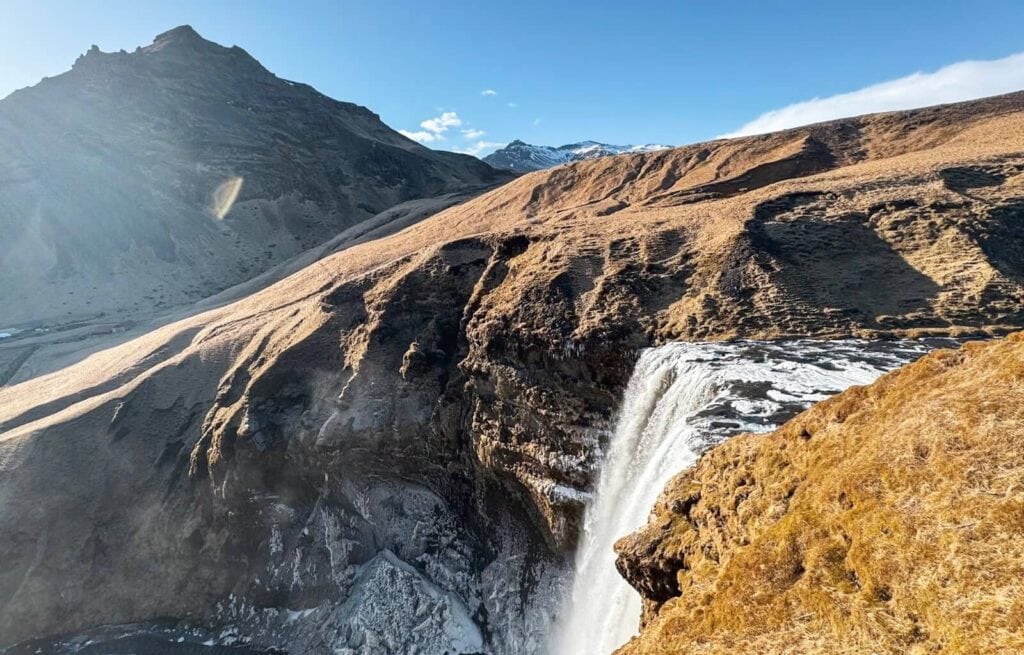
A iconic waterfall where a walking path allows visitors to walk directly behind the cascading water.
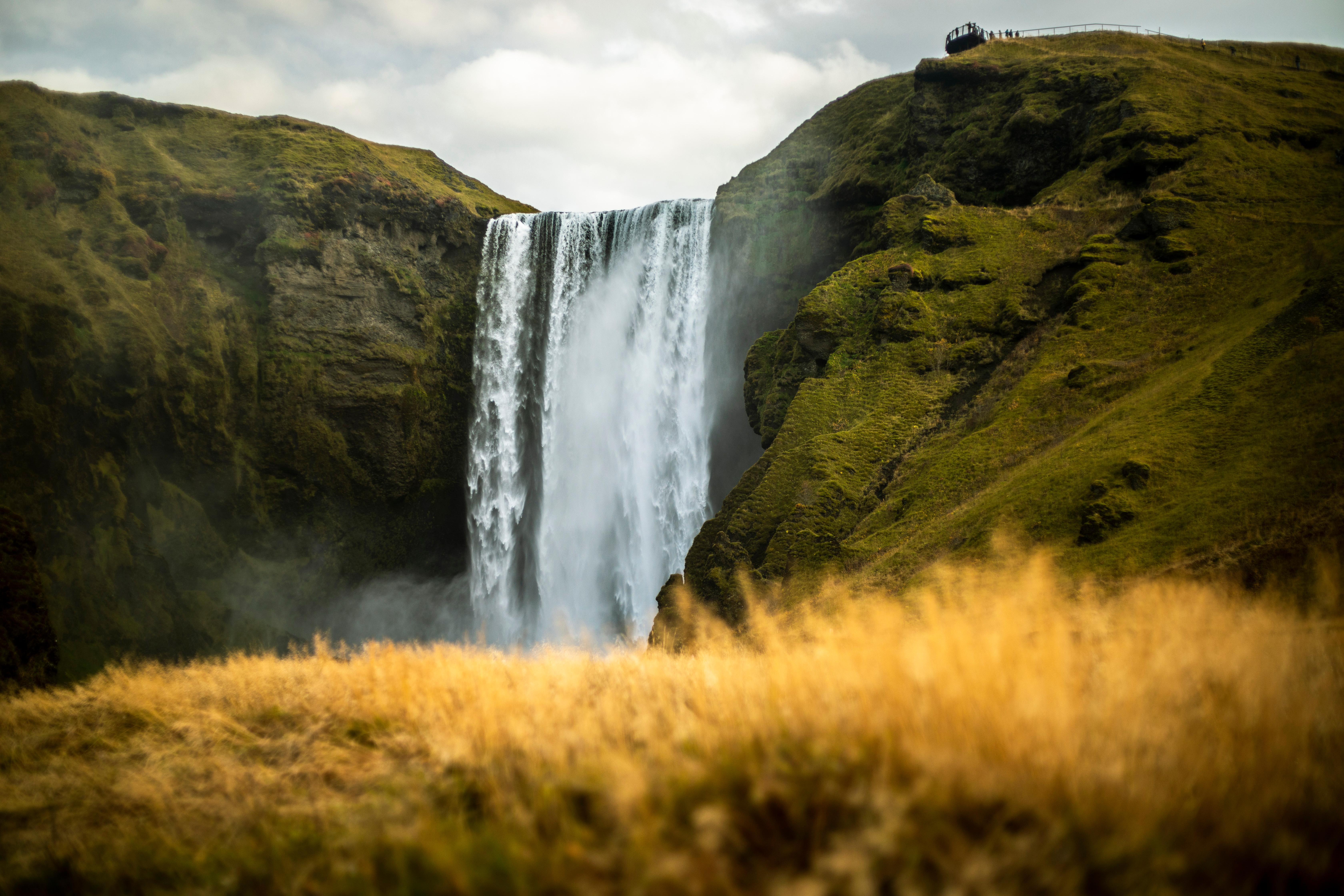
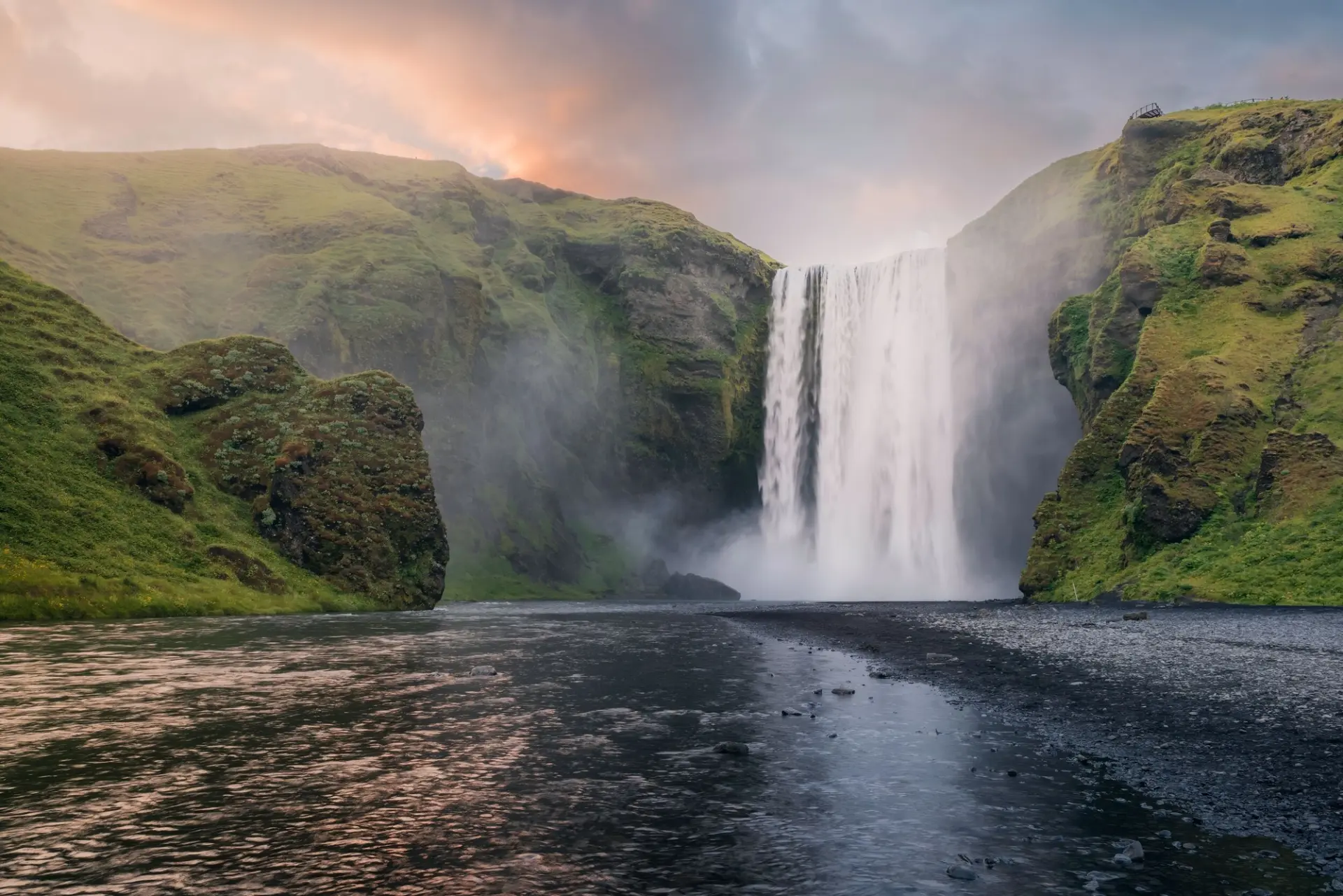
One of Iceland's largest waterfalls, plunging 60 meters with a staircase leading to panoramic coastal views.
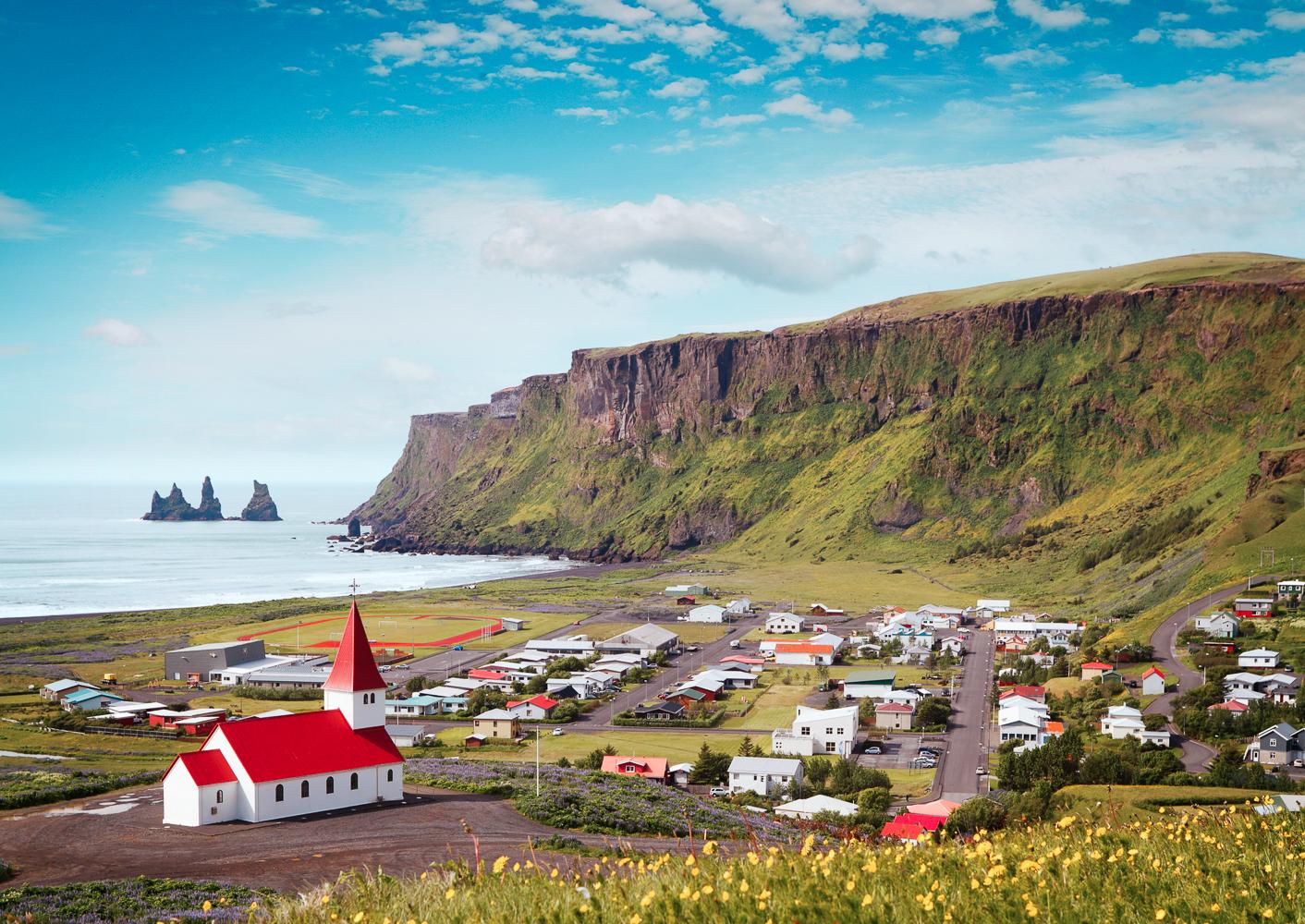
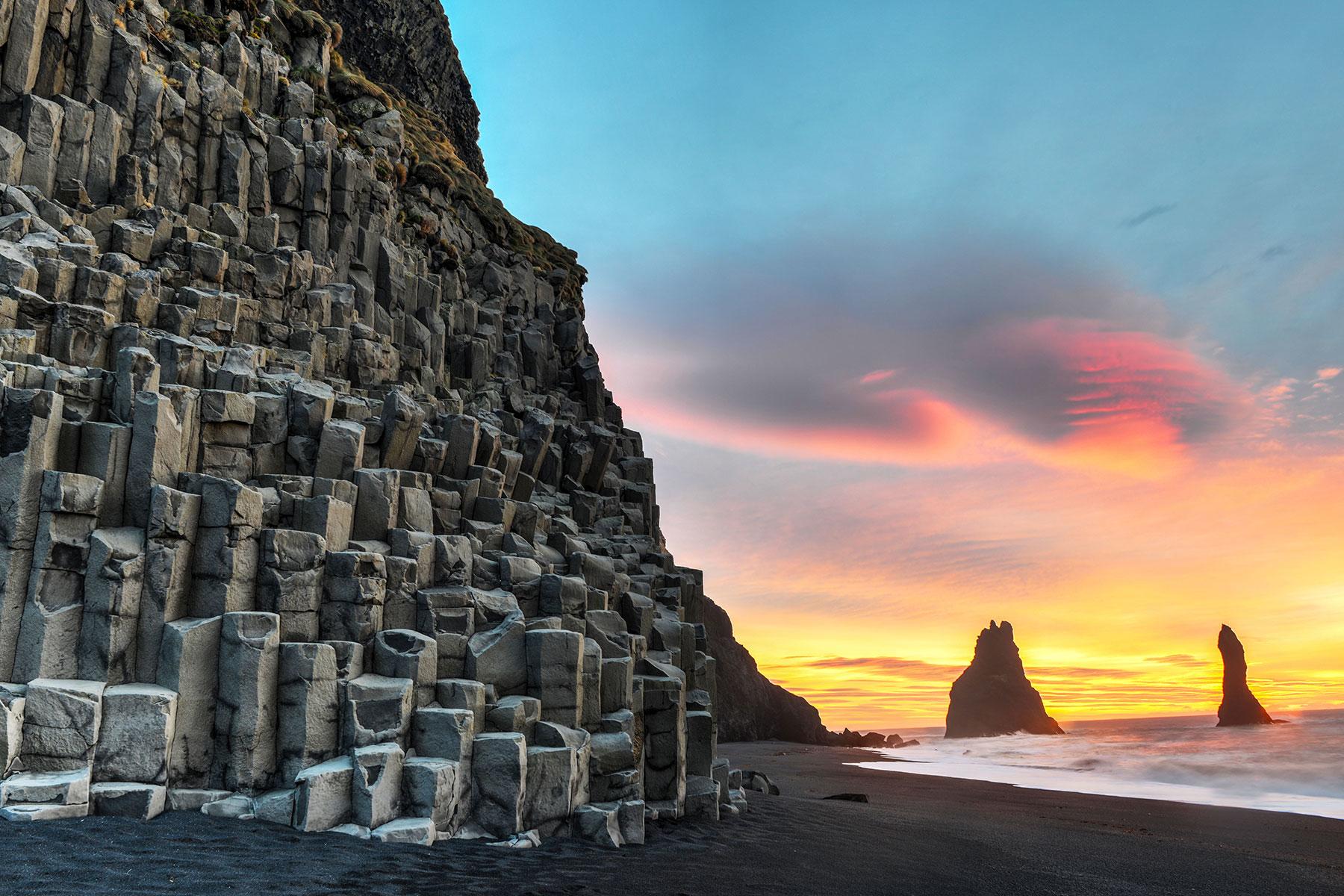
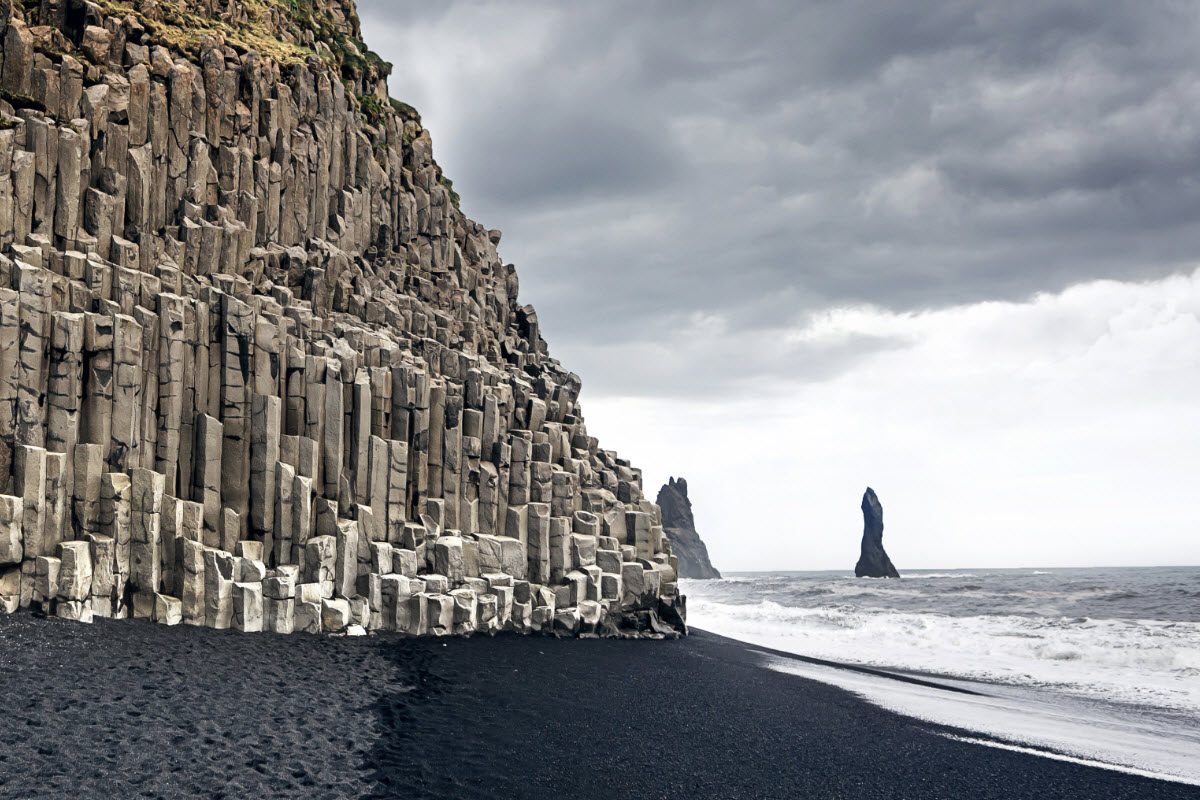
A world-famous black sand beach known for its massive basalt columns and the jagged Reynisdrangar sea stacks.
You leave Reykjavik as the city's last suburbs give way to moss-covered lava fields, the road climbing past Hengill geothermal area before descending to the coastal plain. Skógafoss appears first: you park 200 metres from the falls and walk to the base where mist soaks your jacket within seconds.
A staircase of 527 steps climbs the eastern cliff if you want the upstream view.
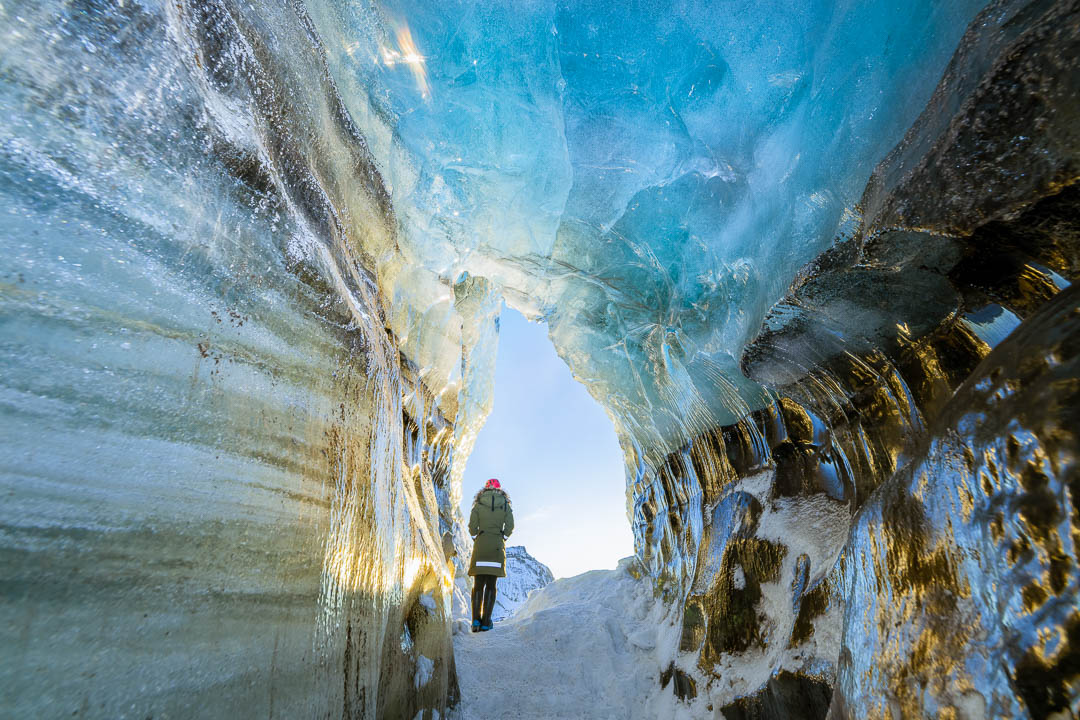
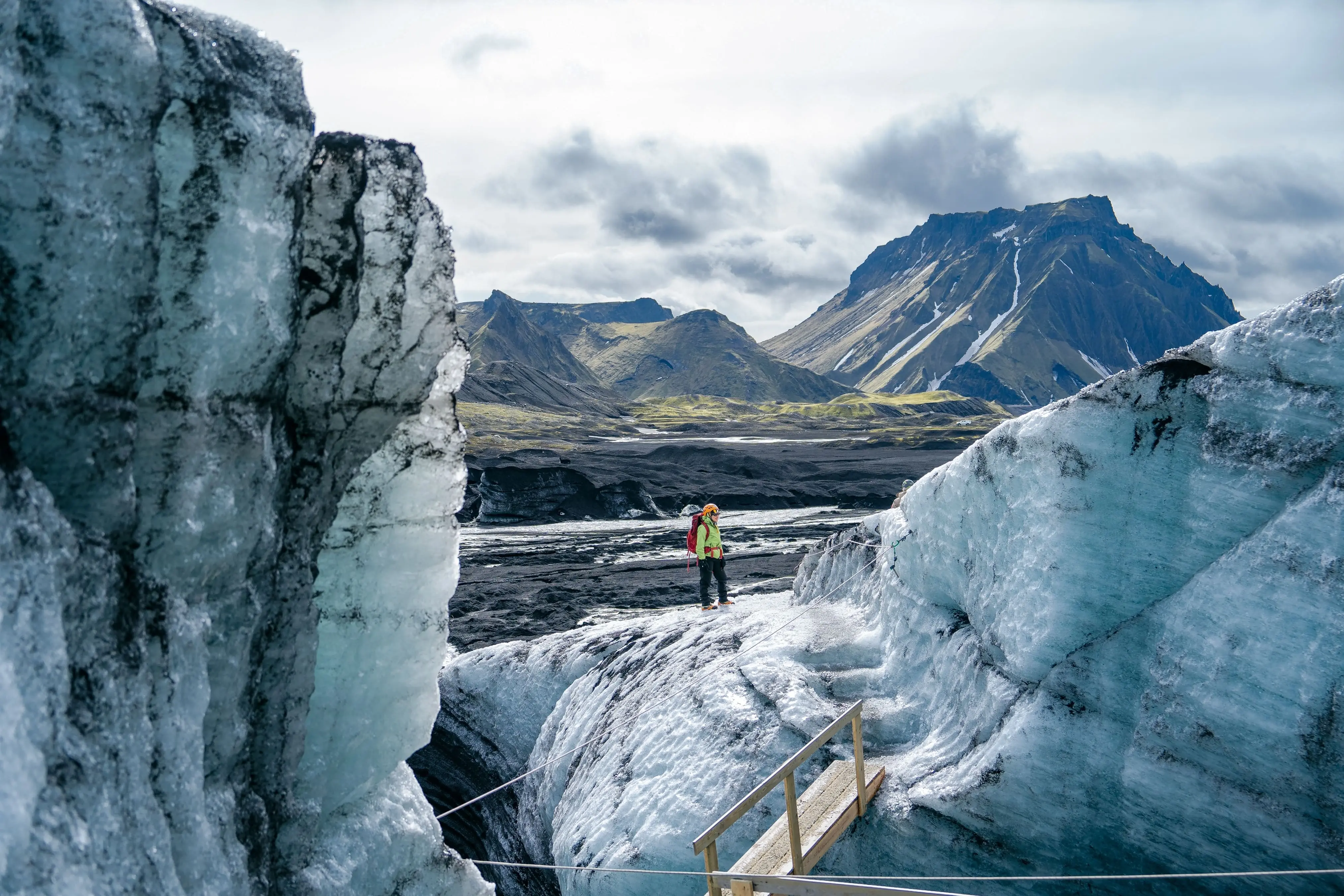
Seljalandsfoss is 30 kilometres west. You follow the footpath behind the curtain of water, basalt walls slick under your fingers, the roar compressed into the hollow. Your guide distributes crampons before the glacier: you strap steel teeth to your boots and step onto blue ice ribbed with ash layers. Inside the Katla cave the ceiling glows amber where sunlight filters through thin ice. You trace black volcanic sediment with your glove, each stripe marking an eruption.
Reyisfjara is the final stop. You walk across wet sand to the basalt columns, hexagonal pillars stacked like organ pipes. Waves hit the beach in sets; your guide keeps the group 30 metres from the surf line where sneaker waves have pulled tourists into the Atlantic. You return to Reykjavik as daylight fades over Hekla volcano.
All the details about your upcoming adventure in one place
Iceland's south coast road stretches 330 kilometres from Reykjavik to Höfn, but the first 180 kilometres contain the island's most concentrated geology: active volcanoes beneath glaciers, black sand beaches formed by rapid lava cooling, and waterfalls fed by meltwater from Europe's largest ice cap.
The Katla ice cave system, accessible only with certified guides, formed inside Mýrdalsjökull glacier after the 1918 eruption of Katla volcano. Meltwater carved tunnels through 500-metre-thick ice, exposing layers of volcanic ash that date eruptions over the past millennium. Unlike the stable blue ice caves of Vatnajökull, Katla's caves shift with geothermal heat, requiring daily route assessments.
The south coast became Iceland's busiest touring corridor after the 2010 Eyjafjallajökull eruption drew global attention to the region's volcanic infrastructure. Skógafoss, a 60-metre curtain of water dropping from the cliff line where Iceland's coastline retreated 10,000 years ago, and Seljalandsfoss, where a footpath circles behind the falls through a hollow carved into Tertiary basalt, anchor most itineraries. Reynisfjara black sand beach, formed from basalt fragments ground by North Atlantic surf, stretches beneath Reynisdrangar sea stacks—hexagonal basalt columns that folklore claims are petrified trolls caught by sunrise.
South coast and ice cave tour from reykjavik itineraries typically span 10 to 12 hours, covering 250 to 300 kilometres. Tours depart Reykjavik between 08:00 and 09:00 to maximize daylight on glacier terrain, where ice cave access requires crampons, helmets, and guide supervision. Katla ice cave entry is possible year-round because the cave sits beneath glacial ice rather than forming seasonally like Vatnajökull's crystal caves, which collapse each spring. The Route 1 ring road corridor passes Sólheimajökull glacier tongue, a 10-kilometre extension of Mýrdalsjökull where crevasses and moulins illustrate active glacial mechanics.
The region's volcanic bedrock—primarily basalt from fissure eruptions dating 10,000 to 700,000 years ago—shapes both the south coast's waterfalls and its coastal morphology. Glacial rivers like Jökulsá á Fjöllum carry sediment from Vatnajökull to the Atlantic, building outwash plains that advance Iceland's southern shoreline by 5 metres annually. Most south coast and ice cave tour from reykjavik departures include Skógafoss, Seljalandsfoss, Reynisfjara, and Katla ice cave access, with optional stops at Sólheimasandur plane wreck or Dyrhólaey promontory depending on season and daylight.
Meltwater carved tunnels through 500-metre-thick ice, exposing layers of volcanic ash that date eruptions over the past millennium.
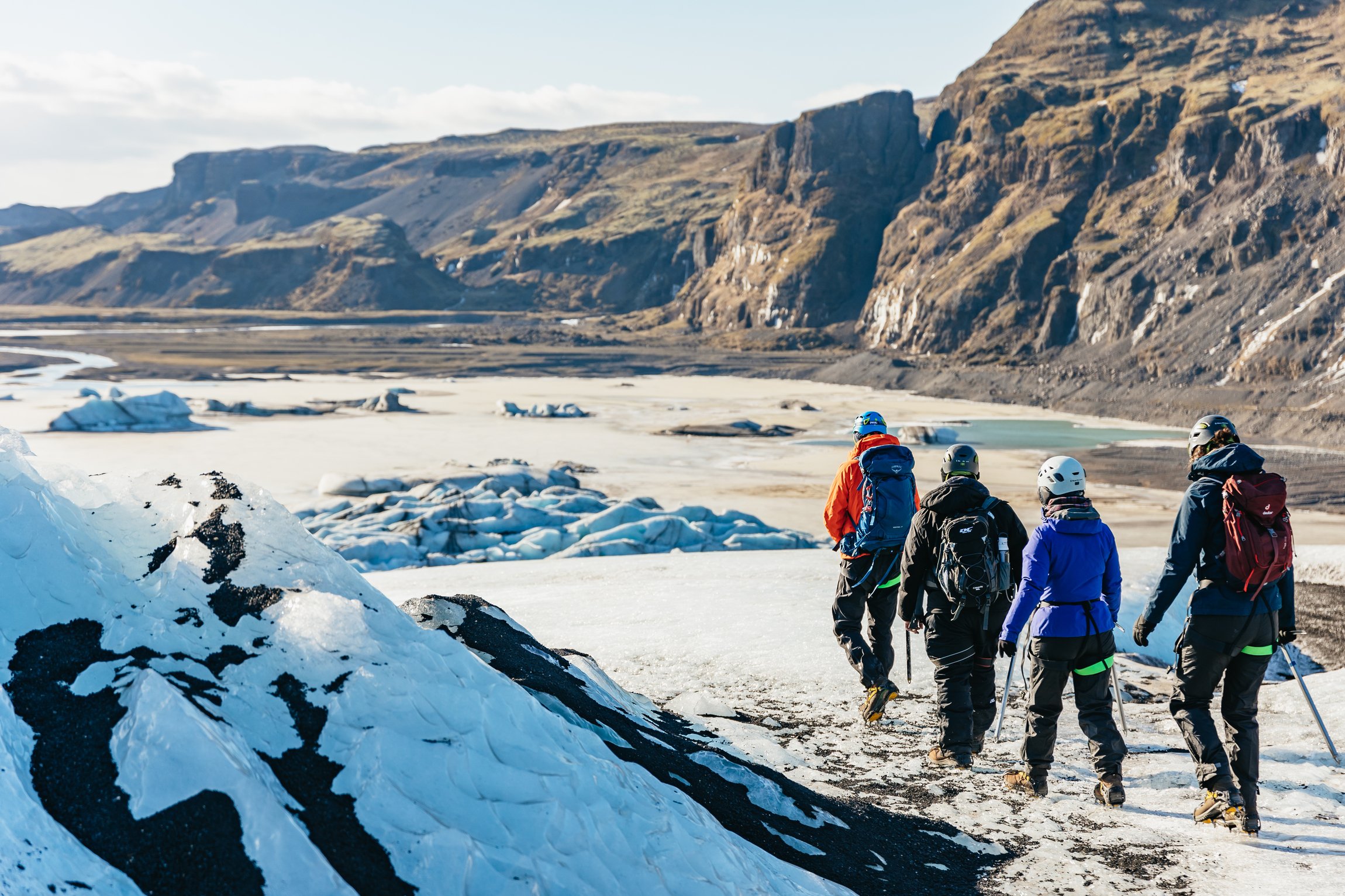
Wear warm, moisture-wicking base layers like wool or synthetic fabrics, avoiding cotton. A waterproof jacket and trousers are essential, along with sturdy, broken-in hiking boots for glacier stability.
Use small, waterproof backpacks for personal items. Security involves professional guide oversight and safety equipment briefings at the glacier edge.
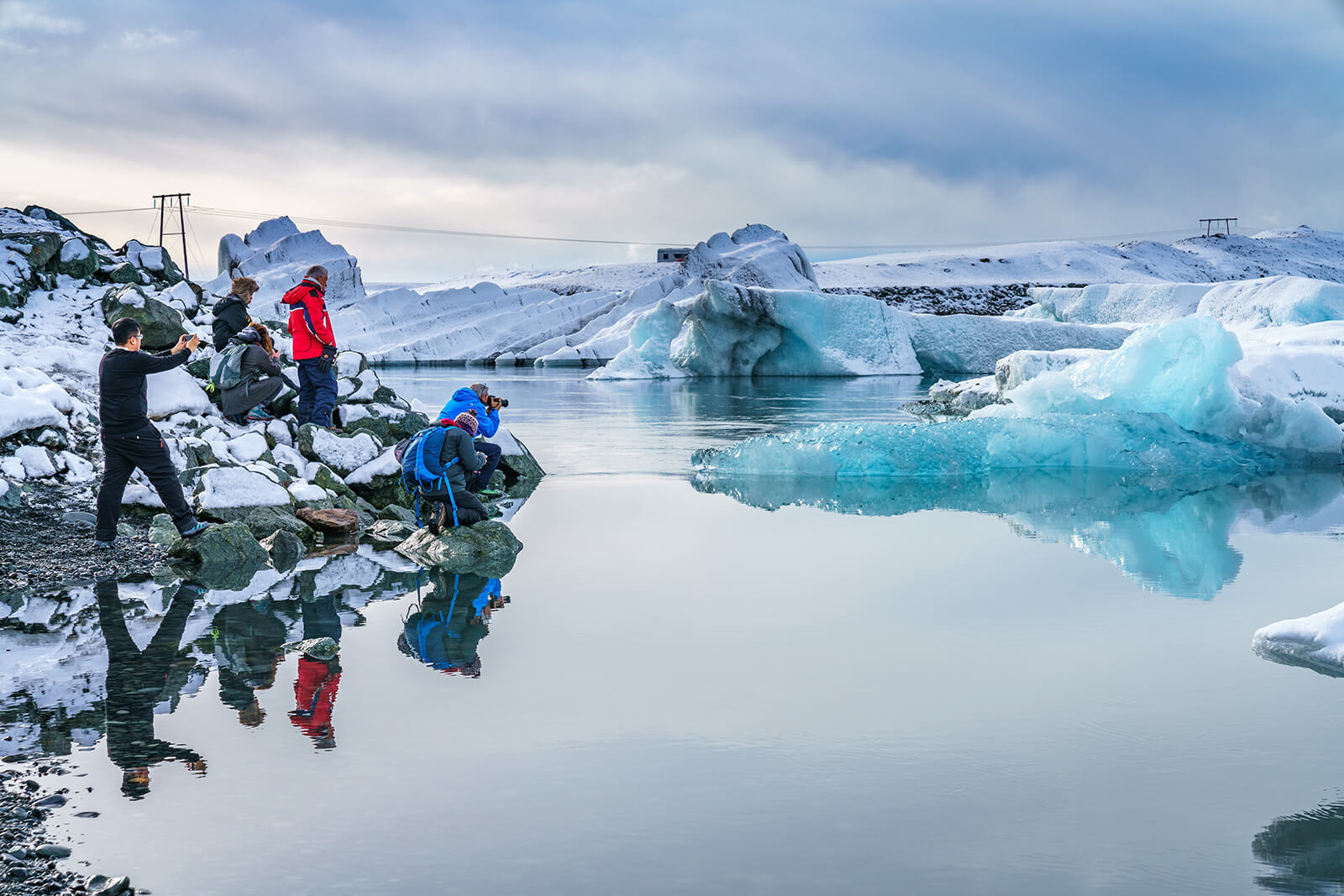
Photography is encouraged, but keep cameras secure with straps. Avoid walking off-trail for the perfect shot, as the glacier environment is constantly shifting.
The south coast and ice cave tour from reykjavik is generally suited for active families. Minimum age requirements may apply depending on the specific tour operator's safety policies.
The south coast and ice cave tour from reykjavik involves uneven, rocky, and icy terrain. It is not suitable for visitors with significant mobility issues or those unable to navigate rough trails.
Most south coast and ice cave tour from reykjavik options do not include meals. Bring packed lunches, snacks, and a reusable water bottle to stay hydrated during the journey.
Best arrival window
08:00–18:00
Address
South Coast, Iceland
Accessibility
Not wheelchair accessible due to rugged glacier terrain
Daylight hours
08:00–18:00
Storage
Not available on tour buses; keep items minimal
Navigation
Guided access only required for ice caves
Free cancellation available up to 24-48 hours before the tour start time. Access to ice caves requires a paid guided tour, and tours are subject to cancellation if glacier conditions are unsafe, in which case a full refund or rescheduling is provided.
Recommended time
10-14 hours
A comprehensive south coast and ice cave tour from reykjavik requires a full day due to the significant travel distance between glacier sites. To manage energy levels on these long excursions, prioritize morning departures that align with the best arrival window of 08:00–18:00. While nature sites have an entrance fee: 0 ISK, access to ice caves requires a paid guided tour, and these professional south coast and ice cave tour from reykjavik tours often dictate the pace of the day. Travelers should prepare for shifting light and changing weather conditions while navigating the volcanic terrain and crystalline glacier formations. Securing your south coast and ice cave tour from reykjavik tickets in advance ensures priority access to limited capacity glacier explorations.
Crowd levels through the day
Iceland's south coast and ice cave tour from Reykjavik emerged as a coherent tourist circuit only in the late 20th century, though its individual landmarks carried far older significance. Skógafoss waterfall appears in medieval sagas as a hiding place for Viking settler Þrasi Þórólfsson's treasure chest, allegedly concealed behind the cascade in the 9th century. Seljalandsfoss, another south coast waterfall, derives its name from the abandoned farm Seljaland, which Norse colonists established around 900 CE. The black sand beaches at Reynisfjara became notorious in folklore as the petrified remains of trolls caught by daylight, their basalt sea stacks standing as monuments to supernatural miscalculation. The ice caves themselves are geologically recent phenomena. Mýrdalsjökull and Vatnajökull glaciers, which form the natural ice caves visited on modern tours, reached their maximum extent during the Little Ice Age between 1600 and 1850. Glacial retreat beginning in the 1890s accelerated dramatically after 1990, exposing seasonal ice caves that reform each winter within the glacier tongues. The first documented guided entry into a Vatnajökull ice cave occurred in 1991, organized by local mountaineering clubs rather than commercial operators. A 1996 glacial flood from Grímsvötn subglacial lake destroyed several accessible cave formations, forcing guides to scout new entry points annually. Commercial south coast and ice cave tour from Reykjavik packages consolidated in the early 2000s as Route 1 road improvements reduced driving time from the capital. The 2010 Eyjafjallajökull eruption paradoxically boosted tourism by generating global media coverage of Iceland's volcanic landscapes. By 2015, ice cave visits required advance permits from Vatnajökull National Park authorities following a fatal incident when unsupervised tourists entered an unstable formation. Today's tours operate under strict safety protocols, with professional glacier guides assessing cave conditions daily during the November-to-March season when subfreezing temperatures stabilize the crystalline blue structures beneath the ice cap.
Viking settler Þrasi Þórólfsson allegedly hides treasure behind Skógafoss waterfall.
Little Ice Age brings Icelandic glaciers to maximum extent, forming dense ice layers.
Glacial retreat begins, exposing seasonal ice cave formations within glacier tongues.
First documented guided entry into a Vatnajökull ice cave by mountaineering clubs.
Grímsvötn glacial flood destroys accessible cave formations, forcing annual route reassessment.
Eyjafjallajökull eruption generates global media attention, accelerating south coast tourism growth.
Vatnajökull National Park institutes mandatory permits for ice cave access after safety incident.
Daily cave assessments and professional glacier guide requirements become standard for all tours.
Stand on the wet, slippery path directly behind the falling curtain of water for a symmetrical composition looking out toward the horizon. Use a wide-angle lens to capture the full arc of the cascade.
Climb the metal staircase to the top viewing platform to capture the river flowing toward the cliff edge. This angle is essential for your south coast and ice cave tour from reykjavik to visualize the scale of the landscape.
Position your tripod near the geometric basalt sea stacks at the eastern end of the beach for a grounded texture shot. Ensure you keep a safe distance from the shoreline due to sneaker waves.
Capture the deep sapphire light filtering through the frozen glacier ceiling inside the cave. This spot requires the expertise provided by official south coast and ice cave tour from reykjavik tours for safe access to the shifting crystal formations.
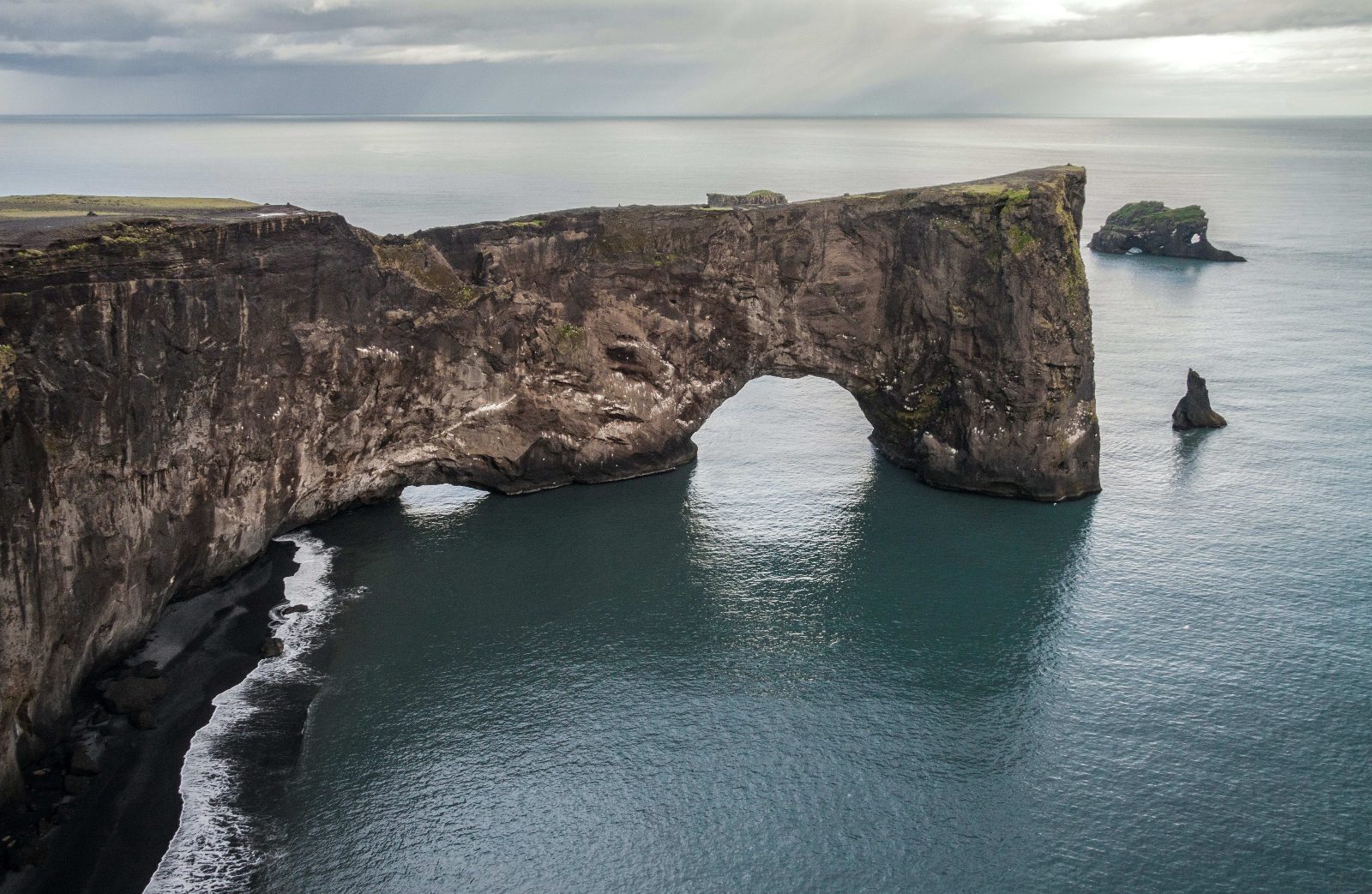
Shoot from the upper parking area looking down at the massive stone arch protruding into the Atlantic. This location provides a high-vantage perspective commonly seen in professional south coast and ice cave tour from reykjavik tickets galleries.
Planning a south coast and ice cave tour from reykjavik requires careful preparation to manage glacier terrain and long travel times with children. Families should prioritize comfort and flexibility when exploring the diverse landscapes of the South Coast of Iceland.
Standard strollers are not suitable for uneven glacier terrain or volcanic beaches, so bring a reliable child carrier for younger guests.
Due to the challenging nature of glacier hikes, many operators recommend the south coast and ice cave tour from reykjavik for children aged 8 and older.
Public rest stops are limited during transit, so utilize facilities in Reykjavik before departure and prepare for basic amenities at remote locations.
These day-long journeys involve significant time in a vehicle, making it essential to plan for frequent movement breaks when possible.
Pack ample high-energy snacks and water for your south coast and ice cave tour from reykjavik tickets holders, as dining options on the route are widely spaced.
Always dress children in multiple waterproof layers to ensure they remain warm and dry regardless of the unpredictable shifts in Icelandic weather.
Dining options along the route are limited, making planning essential when you book a south coast and ice cave tour from reykjavik. Most travelers rely on roadside service stations or small bistros near the main glaciers.
Located in Vík, this venue offers hearty Icelandic lamb soup and fresh fish dishes. It is a reliable stop during your south coast and ice cave tour from reykjavik tours.
Everything you need to know for your journey
No, you must book a guided tour as ice caves are hazardous and require expert navigation.
Yes, most south coast and ice cave tour from reykjavik providers supply helmets and crampons.
The nature sites themselves have a 0 ISK entrance fee, but you must pay for the mandatory guided ice cave tour.
We recommend planning your arrival or pick-up within the 08:00–18:00 daylight window for safety.
Some caves like Katla are accessible year-round, while others are seasonal; check specific tour availability.
Safety policies vary by operator, but generally, participants must be able to hike on uneven terrain.
Wear waterproof, layered clothing and sturdy hiking boots; avoid cotton which traps moisture.
Most tours are full-day excursions lasting between 10 to 12 hours.
Yes, most tours include stops at major landmarks like Seljalandsfoss and Skógafoss waterfalls.
Join thousands of happy travelers who have discovered this incredible experience
Book Your Experience Now